
Playing orchids becomes one of the joysof many people. To have a beautiful and impressive flowering pot of orchids, players need to spend a lot of effort and time taking care of them because orchids are sensitive plants, very susceptible to pests and diseases. One of the most common diseasesin orchid isyellow leaves. So,What causes yellow leaves in orchids? What needs to be done to fix it 100% effectively?Please refer to that solutionMicrobial product Duc Binh Share below.
1. Is yellow orchid leaves really dangerous?
Orchids possess outstanding beauty, attracting people in a strange way. Each flower is like a work of artartcreated by mother nature. Orchids carry with them elegant beauty, elegance, and extremely seductive fragrance. It is these factors that are attractive and attract people to play orchids.
It’s so beautiful but to have potted orchidssatisfied, green and blooming to is not a simple thing. It requires many factors: climate, planting price, living environment, and meticulous and skillful care of the player.In fact, justA small mistake in the process of watering, heating, fertilizing, etc. can also cause orchids to get sick, wilt and die.
One of the most common diseases in orchidsisyellow. Orchids with yellow leaves next to them are a sign of flowering season and new leaf replacementcould also besigns of disease. In particular, the phenomenon of speckled or gradually yellowing leaves throughout the orchid branches. This yellowing of leaves not only causes the tree to lose its aesthetic value but also has a direct impact on growth. If not treated promptly, orchids can easily die.
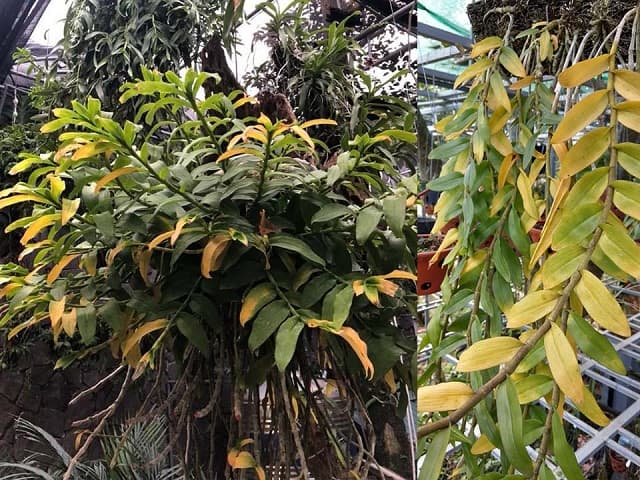
Yellow orchid leaves can cause plant death
2. Causes of yellow orchid leaves
Yellow orchid leaves are a very common disease. The main cause of this condition is due to improper tree care and environmental impacts. Join us to find out the causes of yellow leaf disease in orchidsfoundthe most suitable prevention and treatment methods.
Due to direct exposure to sunlight
Orchids usually like to live in cool environments with adequate light and humidity. Each type of orchid will suit different care regimes and living temperatures. However, almost all types of orchids do not like to be exposed to direct sunlight.
In the dry season, when exposed to sunlight for too long and at high ambient temperatures, orchids will easily have yellow leaves or even sunburn. If this condition is not corrected, the growth process of the plant will slow down, become stunted, and the aesthetic value of the orchid will be lost.
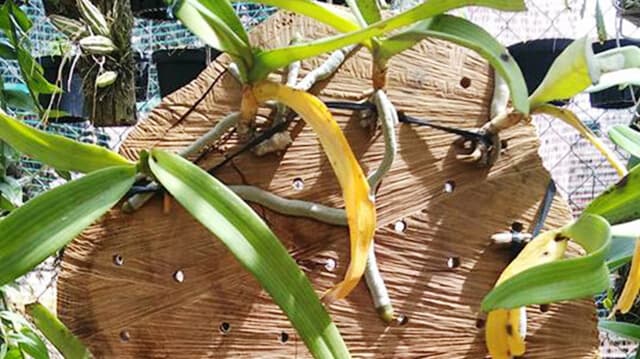
Orchid leaves turn yellow due to sunlight
Low ambient temperature affects
Not onlyaffectedBecause the ambient temperature is too high, orchids placed in environments with too low temperatures are also susceptible to yellow leaf disease. Orchids can live and grow very well in environments with temperatures around 18 to 35 degrees Celsius.
However, when the temperature drops low in winter or on rainy days below 17 degrees Celsius, orchids cannot grow. This condition makes the orchid unable to photosynthesize and in a short time will cause the orchid’s leaves to turn yellow.
There is a problem with the orchid’s root system
Roots are important parts to maintain plant life. This is the part that provides nutrients, water and helps the orchid stick to the substrate. If the root system has problems, the plant does not receive enough water and nutrients, and the orchid’s leaves will turn yellow.
Orchid roots are often susceptible to attacks by fungi and pests. The cause is because the amount of water is too much, the substrate environment is wet or the substrate contains harmful pests. Therefore, it is very easy to irrigate with enough water, avoiding excess or lack of waterorchid leaves yellow.
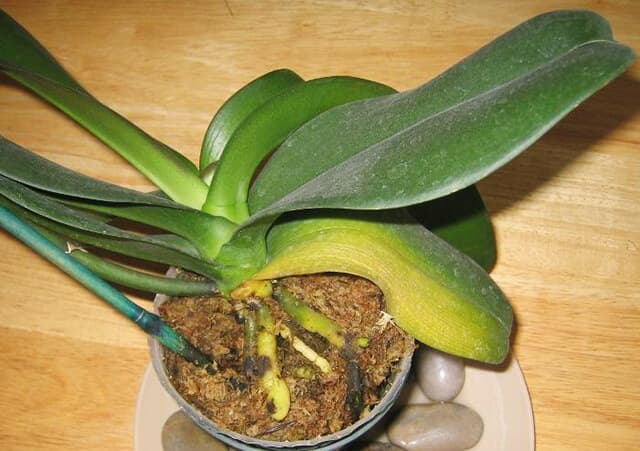
Orchids have yellow leaves due to problems with the root system
Orchids are seriously lacking nutrients
One of the main reasons why orchids have yellow leaves is lack of nutrients. Orchids need to be fully supplemented with nutrients. Depending on the type of orchid, the amount of nutrients needed is different. If one of the nutrients is deficient such as zinc, nitrogen, iron, manganese, etc., the plant will grow slowly and be susceptible to disease.
Besides chemical fertilizers, biological fertilizers are becoming a very popular product line. You can choose biological fertilizers suitable for orchids to care for, helping the plant have enough nutrients to grow healthily.
The orchid is infected
Leaf rot or anthracnose is one of the common diseases that causes yellow leaves in orchids. Bacterial leaf rot diseasecaused.When infected, yellow, black or brown spots will appear on orchid leaves. Over time, the spots will spread around, causing the leaves to soften and smell rotten.
Anthracnose is caused by a type of fungus. This fungal disease is often found in royal orchids. They doorchid leaves yellowand gradually withered. Over time, the tree will die if appropriate treatment is not given.

Yellowing of orchids is caused by bacteria and fungi
Some other causes cause yellowing of orchid leaves
Besides the causes mentioned above, yellow orchid leaves can also be caused by a number of other reasons such as: yellow orchid leaves due to changes in habitat, orchids change leaves to flower, people fertilize the orchids too much or the orchid growing medium accumulates too much salt.
Orchids only need a sufficient amount of nutrients. If you use too much fertilizer and stimulants, orchids will easily experience fertilizer shock or drug shock. The sign of this condition is that the whole orchid turns yellow and wilts. The tree trunk is no longer as shiny as before.
Salt accumulation in the substrate occurs when you plant orchids and fertilize the plants for a long time. The excess salt inside will accumulate day by day, causing the orchid roots to deteriorate. This causes the orchid leaves to become shriveled and yellow.
⫸ See more: Causes of soft rot disease on orchids and effective ways to prevent and treat them
⫸ See more:How to water orchids & Stimulate orchids to flowersimple and effective
⫸ See more:How to make banana liquid to water orchids, roses and plants
3. Effective solution to overcome yellow orchid leaves
Orchid has yellow leavesis a headache for orchid hobbyists. Therefore, during the care process, people need to pay attention to observe and learn the correct planting methods, suitable for each orchid species. When orchids have yellow leaves, growers need to clearly understand the cause and come up with a quick, safe and effective remedy.
Find out the cause of the disease and provide quick treatment methods
Depends on the cause of the diseaseorchid leaves yellowthat we will have appropriate treatment methods. As we mentioned some of the causes of yellow leaf disease in orchids above, we will guide you on how to effectively treat them as follows:
- In case the orchid’s leaves turn yellow due to sunlight, you should quickly move the orchid to a shady area. There is little light and moderate humidity. It is best when growing orchids, you should place them under large trees or in a greenhouse or covered area.
- For orchid leaves yellowing due to low temperatures, you should place the orchid in a well-ventilated place with full sunlight. When orchids are grown in a greenhouse, lamps can be used to warm and provide light for the orchids to grow.
- In cases where orchids have yellow leaves due to excess water, fertilizer shock, drug shock, etc., you need to adjust the watering and fertilizing regime to the most reasonable level.
- When the substrate has excess salt, you can rinse it periodically with water to remove the accumulated salt layer. Or use low-salt substrates such as bark, charcoal, etc.
- When the treeorchid leaves yellowDue to the disease, you need to clearly understand the type of orchid disease you are suffering from and find the most suitable microbiological treatment.
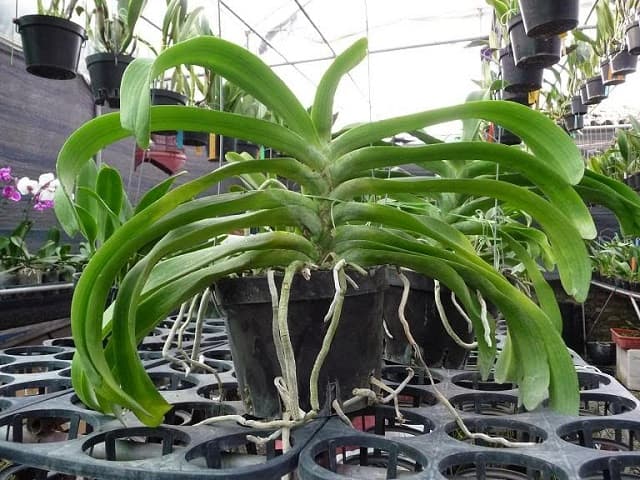
Place the orchid in a well-ventilated location
Treating yellow leaves in orchids
For orchids with yellow leaves, we need to cut off all yellow leavesremainingon the tree. Especially for diseased leaves. This will help minimize the spread of the condition to other healthy leaves.
When cutting, you should use very sharp scissors.has beenwash. The slices are quick, neat and do not damage other parts of the orchid. After cutting off the leaves, you should apply scar glue and wait for it to dry. Next, lightly spray a layer of microbial treatment to prevent the wound from becoming infected. After processing all the yellow leaves, you need to place the plant in a dry, well-ventilated location and pay attention to observe the plant’s developments until the orchid grows healthily again.
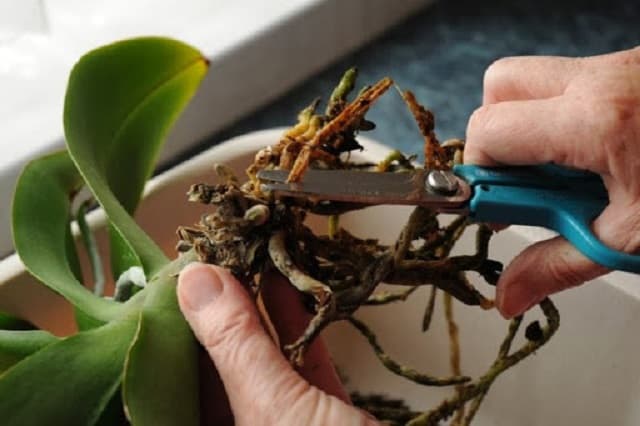
Cut off the yellow leaves
Care for orchids meticulously and carefully after recovery
After recovering from the disease, orchids need careful care to recover. First of all, you should usestoolNutritional microorganisms for cyclic misting. This will stimulate the plant to produce new leaves faster.
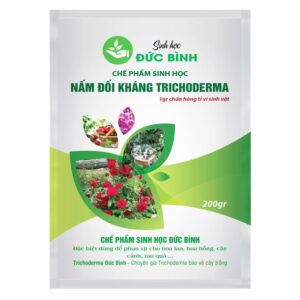
Trichoderma antagonistic fungal biological product for irrigation of roses and orchids
For orchids, you should not use chemical fertilizers, insteadpeople should use itmicrobial products. These preparations are both safe for plants and provide all the necessary nutrients. At the same time, they are very safe for the environment as well as human health.
Probiotic products used regularly will minimize common diseases in plants in general and orchids in particular.
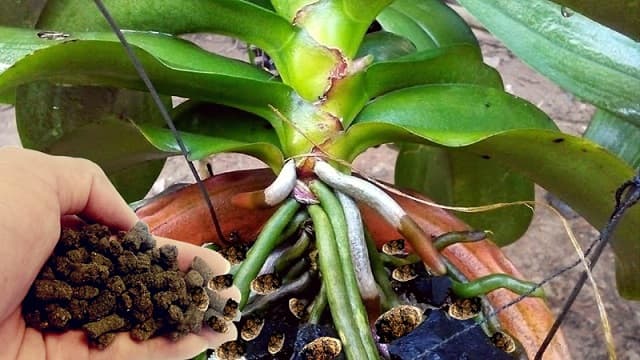
Use microbial products in orchid care
A good way to help prevent yellow leaf disease in orchids
Orchids with yellow leaves, if not treated promptly, can die. Therefore, to prevent this situation from happening, people should apply some good ways below:
- Watering properly: We should only water plants in the morning or cool afternoon. In particular, watering in the morning is the most reasonable because this time the plants have time to absorb water before the environmental temperature rises. On the other hand, when watering, you must be even-handed and not let the plant become waterlogged. In fact, orchids need moist soil, but must have good drainage.
- Fertilize properly: Instead of using chemical fertilizers or homemade fertilizers, people should use specialized fertilizers to fertilize orchids. Prioritize choosing microbial organic fertilizer with balanced nutritional content: N, K, Fe so that plants can grow healthily. Fertilize periodically and in accordance with each stage of development.
- Make sure there is enough light: Orchids only like light light, so absolutely do not place the orchid basket in direct sunlight. Thus, the leaves will burn and turn yellow. Placing the orchid basket near a window with curtains or under the shade of a tree is most appropriate.
- Maintain appropriate temperature and humidity: The ideal temperature for orchids to grow is 20 to 30 degrees Celsius. Ambient temperatures that are too high or too low both affect the growth of orchids. In terms of humidity, orchids are suitable for humidity levels from 50 to 70%. If the environment does not ensure humidity, you can use a humidifier or place the orchid pot on an ice tray.
- Regularly check plants for diseases: Orchids are plants that are sensitive to the environment and pests. It is susceptible to attack by mealybugs, red spider mites or fungal diseases. So remember to check leaves and roots regularly to detect diseases early. For peace of mind, people should use natural pesticides to spray plants to prevent diseases: diluted chili or garlic solution…
- Take care of the tree periodically: We will prune away withered and yellow leaves so they do not spread to other leaves. Clean the plant pot and change the soil for the plant if there is mold or bacteria accumulation. After treatment, plants must apply a special nutritional regimen to speed up the recovery process.
Where to buy reputable probiotic products to fertilize orchids?
Orchids are beautiful, luxurious and elegant ornamental plants, so they are loved by many. However, how to take care of lush potted orchids is a difficult problem for many people. Using the probiotic product Duc Binh is considered the simplest, fastest and most effective solution.
At our booth, we have a full range of products to help people care for and treat yellow leaf disease in orchids:Vermicompost, Worm fluid, Trichoderma irrigation preparations not only have the ability to provide comprehensive nutrition for growing orchids but also help prevent diseases effectively.
In preparationsTrichodermaThere are billions of beneficial microorganisms that accelerate the decomposition of organic matter to help plants absorb it effectively. On the other hand, these beneficial bacteria strains will inhibit pathogens, destroy harmful bacteria, and make the soil loose… Furthermore, using Duc Binh probiotic products also helps increase the resistance of orchids, so that the plants will grow healthily.
Importantly, fertilizers and microbial products for orchidsMicrobial product Duc BinhGuaranteed the best quality, tested by authorities and long-time orchid players, so you can rest assured. The product’s selling price is listed publicly and is the most competitive in the market.
Above is the information about orchids with yellow leaves that we want to send to you. Orchids are very beautiful flowers, they bloom for a long time but require a lot of time and effortcare. Especially the process of preventing and treating diseases for orchidsnot simple. To improve the ability to develop, prevent and treat common diseases on orchids, you can refer to the set of specialized microbial products used in agriculture introduced at the website:chephamvisinh.vn
Contact information
Duc Binh Biotechnology Co., Ltd
Tax code: 0108433217
Address: 57 Lane 64 Kim Giang, Khuong Dinh, Hanoi
Phone number: 024.66.55.46.86
Transaction office
Microbial products Duc Binh – Center for research and application of biological productsspecializes in research, production and application of product lines: Probiotics, septic tank enzymes, wastewater treatment enzymes, aquatic enzymes, biological products…
Address:1B Alley 774 Kim Giang, Thanh Liet, Hanoi
Phone number: 0934.214.579
Hotline: 024.66.55.46.86
Email:chephamvisanhungdung@gmail.com
Website:https://chephamvisinh.vn


