
Bad odors and water pollution are common problems that aquarium fish farmers often face. Excess food and waste from ornamental fish that are not treated promptly have negatively affected their living environment. To completely solve this problem effectively, save costs while still ensuring the healthy development of fish, the use of microbial products to deodorize and treat water for aquariums is a solution trusted and chosen by many lagoon owners. Duc Binh Microbial Products share how to treat smelly aquarium water fish most effectively through this article.
1. Causes of fishy aquarium water
The main reason why aquarium water smells fishy is due to the decomposition of organic matter such as leftover food, fish feces, corpses, rotting leaves, and the strong growth of bacteria… In addition, ineffective water filtration, unbalanced microflora, and overgrowth of algae are also important factors that contribute to fishy odors in aquariums. Below are some of the main reasons why aquarium water quickly becomes fishy:
- Excess food and fish feces, garbage: When you feed aquarium fish too much, the leftover food that is not consumed will decompose at the bottom of the tank. Together with fish feces, they will create an environment for harmful bacteria to grow and produce toxic gases such as ammonia (NH3), H2S, mercaptan… causing a fishy odor.
- Ineffective water filtration: A clogged, dirty or weak filter will not process all the waste, causing the water to not circulate continuously and accumulate dirt, leading to pollution.
- The beneficial microflora of the aquarium is out of balance: Microorganisms play an important role in decomposing waste. When this microflora is out of balance, harmful bacteria will grow stronger, weakening the ability to process waste and polluting water.
- Moss and excessive algae growth: Strong light and excess nutrients are ideal conditions for algae to grow. When algae die, they decompose and create an unpleasant odor.
- Dead fish or waterlogged aquatic plants: Dead fish or rotting leaves of aquatic plants, if not removed promptly, will decompose and create a foul odor.

Causes of aquarium water being fishy and polluted
2. How to effectively treat fishy aquarium water
To effectively treat fishy aquarium water, you should combine many measures together such as: cleaning the aquarium periodically, using biological products to treat aquarium water, regularly changing the water properly, cleaning the filter, raising fish to clean the tank, and adjusting the amount of food appropriately according to the needs of the aquarium fish.
2.1 Cleaning and changing water
- Clean the aquarium periodically: Use a siphon tube to remove residue to remove fish feces and leftover food. Clean the glass with a moss scrubber or a specialized razor, limit the use of cleaning chemicals and chemical drugs
- Change water properly: Change a portion of the water periodically (about 30%), and when changing new water, make sure the water has the same temperature and has been treated with chlorine to avoid shocking aquarium fish.
- Clean the filter: Clean the filter regularly or replace it when there are signs of poor filtration.
2.2 Adding microorganisms to the aquarium
Use probiotic products to decompose organic waste, reduce odors and purify water. 2 types of probiotics for aquariums that can quickly eliminate fishy odors are
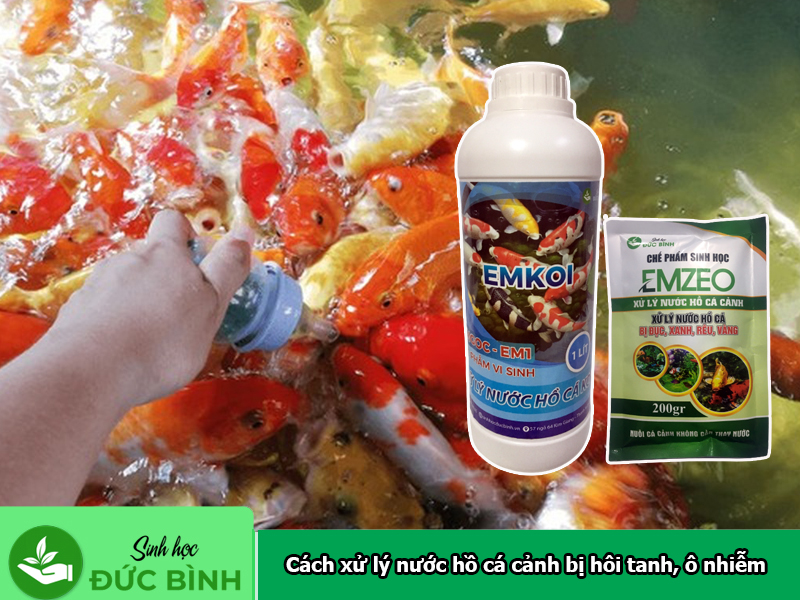
How to treat fishy and polluted aquarium water quickly and thoroughly
2.3 Adjusting care regimen
- Feed the fish just enough: Only feed the fish the right amount of food to avoid leftover food polluting the water. Choose the right specialized food for ornamental fish: ornamental fish easily digest food, food takes a long time to disintegrate when exposed to water…
- Raising tank cleaning fish: Add tank cleaning fish such as pipa fish and rat fish to help clean dirt, leftover food and moss from the tank walls.
- Light control: Reduce light intensity or duration to limit algae growth. Limit the use of ultraviolet lights and ultraviolet lights for aquariums because these types of lights can easily upset the ecological balance in aquariums.
2.4 Some other measures
- Using silver nanostone: Silver nanostone can help kill odor-causing bacteria and decompose organic matter, but when using this product, you should replant useful microflora for the aquarium.
- Use specialized filter materials: Many filter materials have the effect of effectively eliminating odors such as biological filters, activated carbon to filter aquarium water… you can consider using them to help clean aquarium water.
3. Solution to prevent fishy aquarium water with aquarium deodorizing enzymes
Using microorganisms to deodorize and clean aquariums is a solution applied by many lagoon owners today. However, not everyone understands the nature and benefits that these microorganisms bring. Before learning how to use microorganisms to deodorize aquariums, readers need to understand the basic information below:
3.1 What are aquarium deodorizing microorganisms?
Aquarium deodorizing bacteria uses a number of carefully selected bacteria. They help decompose excess organic matter such as leftover food, fish waste and fallen leaves. When added to the aquarium, they will work according to the following mechanisms:

Aquarium deodorizing microorganisms help decompose excess organic matter
- Decomposition of organic matter: Microorganisms use organic matter as a source of nutrients, thereby breaking down the structure of odor-causing compounds and turning them into odorless or less odorous products.
- Reduce ammonia and nitrite: Microbial digestion helps convert ammonia and nitrite into nitrate – a substance that is less toxic to fish and helps prevent the accumulation of odor-causing substances.
- Improve the natural microflora: When adding deodorizing microorganisms, they will balance the natural microflora in the lake, minimizing the growth of harmful bacteria that cause unpleasant odors.
3.2 Few people know about the benefits of microbiology in aquariums
The use of deodorizing microorganisms brings many outstanding benefits to aquariums, especially in maintaining a clean water environment for fish and other creatures living in the lake. Specifically:
Effective odor removal
One of the most obvious benefits of deodorizing bacteria is its ability to remove odors from aquariums. Through the process of decomposing organic waste, microorganisms help eliminate the root cause of odors, while also preventing the growth of odor-causing bacteria.
Protect the health of fish
Bad odor in the lake not only affects aesthetics but is also a sign of ecological imbalance. Using deodorizing microorganisms helps stabilize the water environment, reducing toxic substances such as ammonia and nitrite, thereby protecting the health of fish and other creatures.
Save costs and time
Compared to traditional water treatment methods such as frequent water changes or using chemicals, microbial deodorization is a cost- and time-saving solution. You do not need to constantly change the water and can still maintain a clean, fresh water environment.
Safe and environmentally friendly
Completely natural deodorizing microorganisms, do not contain toxic chemicals, therefore safe for both fish, plants and farmers. They not only help clean aquariums but also help protect the natural water environment when discharged.
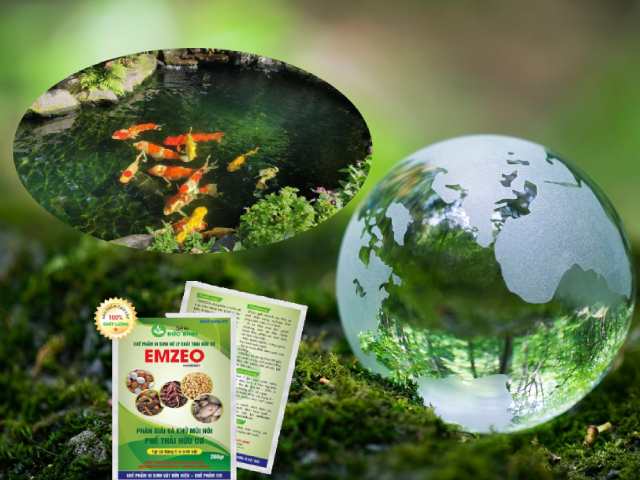
Safe, environmentally friendly method
3.3 Details on how to use microorganisms to deodorize aquarium
Although it is a popular method, not everyone knows how to use bacteria to deodorize aquarium correctly and effectively. If you are learning about this method, below are details how to use microorganisms for aquariums you can refer to:
Step 1: Choose the appropriate type of microorganism
First, you need to choose the type of bacteria that is suitable for your aquarium. Currently there are many different types of probiotic products on the market, from liquid, tablet to powder form. You should carefully study the ingredients and choose a type of probiotic that has the ability to handle odors well and is safe for fish and aquatic plants.
Step 2: Clean the aquarium before use
Before using microorganisms, you should pre-clean the aquarium to remove residue and impurities. Suction the bottom of the lake to remove food debris and fish waste that have accumulated over time, helping microorganisms work more effectively.
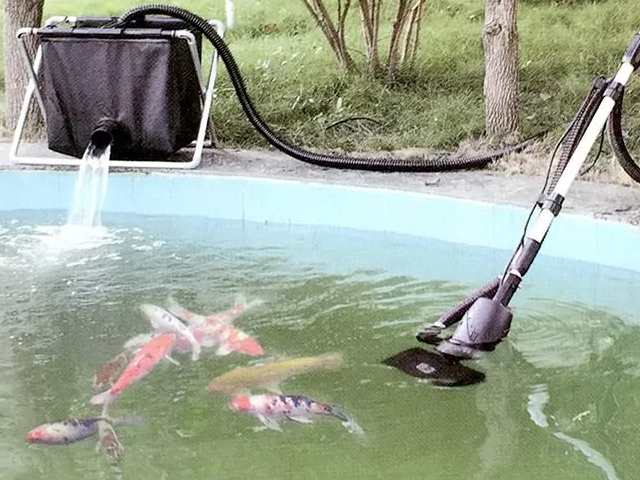
Clean the aquarium before stocking microbiology
Step 3: Mix microorganisms according to instructions
Each type of probiotic will have a different preparation method and dosage. You need to carefully read the instructions for use on the product packaging to mix microorganisms properly. Normally, microorganisms will be dissolved in water or added directly to the aquarium according to the amount of water in the aquarium.
Step 4: Drop microorganisms into the aquarium
After mixing, gently release the microorganisms into the aquarium. Microorganisms will begin working immediately, decomposing organic waste and eliminating odor-causing compounds. You need to be careful not to change the water too much after adding microorganisms to avoid reducing their effectiveness.

Drop microbiological solution into the aquarium fish
Step 5: Monitor and periodically supplement microorganisms
Microorganism takes time to take effect, so you should monitor the water condition in the tank regularly. For large aquariums or with many fish, you need to periodically add microorganisms according to the manufacturer’s instructions to ensure that biological balance is maintained in the aquarium.
3.4 What should you pay attention to when using microorganisms to deodorize aquariums?
To achieve the best results, fish farmers should choose high-quality deodorizing microbial products, produced from reputable sources. Here are some notes when using deodorizing microorganisms:
Pay attention to dosage
Using the correct dosage is an important factor to help ensure maximum effectiveness of microorganisms without harming fish.
Adding too many microorganisms can cause ecological imbalance in the lake, leading to excessive algae growth or reducing dissolved oxygen levels in the water. On the contrary, if used too little, microorganisms will not be able to deodorize effectively.
Water control
It is necessary to regularly check indicators such as pH, temperature and ammonia, nitrite, and nitrate concentrations in the aquarium. If the water environment does not meet standards, microorganisms will not be able to develop and effectively decompose waste.
In addition, you also need to pay attention to the amount of oxygen in the water because microorganisms need oxygen to grow. Low oxygen levels can reduce the effectiveness of deodorizing microorganisms, causing cloudy and foul-smelling lake water.
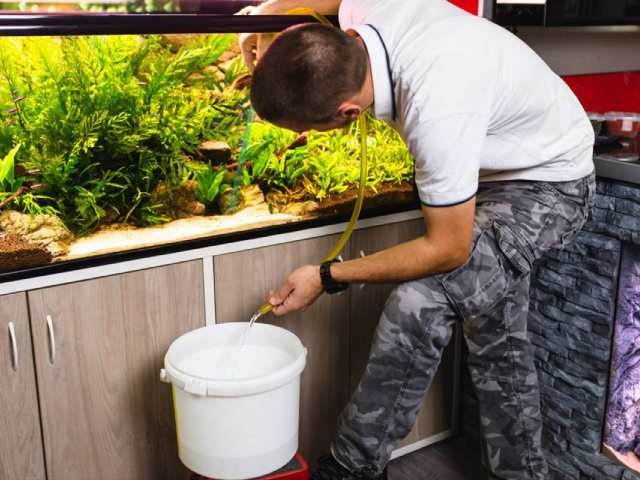
Check the aquarium regularly to detect and timely handling
Ensure ideal lighting and temperature
Water temperature that is too high or too low can slow down the process of microbial decomposition of waste. The ideal temperature level for most types of deodorizing microorganisms is from 20°C to 30°C. At the same time, maintaining a sufficient light level is also a factor that supports the stable development of microflora.
Change water periodically
Although microorganisms have the ability to deodorize well, periodic water changes are still necessary to ensure water quality and not harm fish. When changing water, you should only change 20-30% of the water in the lake to not disrupt the activity of the microbiological system.
4. Signs that the aquarium is fishy and polluted need to be treated soon
Signs of fishy and polluted aquarium water that need to be treated early include: abnormal behavior of fish (swimming lethargic, head floating, rubbing body against the tank wall), changes in appearance (pale color, appearance of white spots, torn scales, cloudy eyes) and water quality (turbid water, strange smell, appearance of mold).
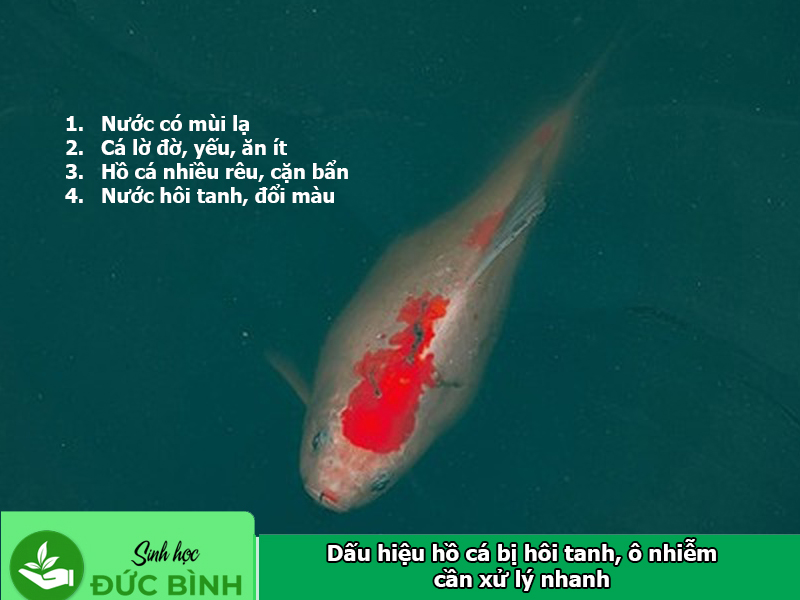
Signs of fishy and polluted aquarium that need to be handled quickly and promptly
4.1 Identification signs related to fish
- Abnormal behavior of aquarium fish:
- Swimming lethargic and slow: Fish lack energy, aquarium fish are less active than usual.
- Frequently float your head above the water: Swimming on your back or choking on air, this is the clearest sign of lack of oxygen and a polluted environment.
- Unpredictable swimming: Fish swimming around the tank are disoriented, wobbly, or lie still on the bottom of the tank.
- Fish often rub against tank walls, trees, rocks: Due to itching due to fungus or parasites.
- Stop eating: Ornamental fish stop eating or eat very little.
- Appearance change scenes:
- Color: Pale, dull, or strangely colored.
- Signs on the fish’s body: Tiny white spots appearing like salt, ulcers, or parasites attached to the body.
- Fin and tail: Shrinking, torn, or showing signs of rot.
- Aquarium fish eyes: Cloudy, swollen, or unusually protruding.
- Fish belly: Swollen despite eating very little, making it difficult to digest food.
4.2 Identification signs through the water environment
- Aquarium water: Cloudy, strange smell, fishy smell.
- Moss: Appearance of moldy moss, green spotted moss, or thin films on the surface.
- Aquarium: Leftover food, dead leaves, or fish feces accumulate a lot on the bottom.
5. Conclusion
A fish tank that is fishy and smells bad is a common phenomenon, frequently encountered by aquarium fish farmers, but if you know how, it can be handled and prevented effectively. Just ensure regular cleaning, control the amount of food, add probiotics to the aquarium regularly and ensure the filtration system works effectively, the aquarium will always be clean, without unpleasant fishy odors.
Above are the details The most effective way to treat fishy aquarium water today. For detailed advice on the best types of microorganisms to deodorize aquariums as well as to buy quality microorganisms at reasonable prices, readers can directly contact Duc Binh Microbial Products at the address:
Contact information
Duc Binh Biotechnology Company Limited
MST: 0108433217
Address: 57 Lane 64 Kim Giang, Khuong Dinh, Hanoi
Phone number: 024.66.55.46.86
Transaction office
Duc Binh Microbial Products – Center for Research and Application of Biological Products specializes in research, production and application of product lines: Probiotics, septic tank yeast, wastewater treatment yeast, aquatic yeast, biological products…
Address : 1B Alley 774 Kim Giang, Thanh Liet, Hanoi
Phone number: 0934.214.579
Hotline: 024.66.55.46.86
Email: chephamvisinhungdung@gmail.com
Website: https://chephamvisinh.vn
>
⫸ See more: Causes of cloudy aquariums and How to make clear aquarium water
>


