
Koi fish is one of the most popular ornamental fish species today.Prefers spacious and airy living environments. In fact, there are many amusement parks and entertainment centers that invest in building very large koi ponds, which have both aesthetic and relaxing effects for customers. So if you want to raise koi fish in a glass pond at home, how should you take care of them? The following articleanswer informationaboutWhat is koi fish? How to raise koi fish in a glass pondsimple, Through that, you will have more knowledge about taking care of this expensive fish breed.
1. What is a koi fish?
Koi fish is the abbreviation for koi carp – a species of carp that is bred from a common body to become an ornamental fish with a beautiful appearance. Koi fish is considered a symbol of Japan, partly explaining the very high price of this species on the market and this is also one of the fish species that is quite difficult to raise.
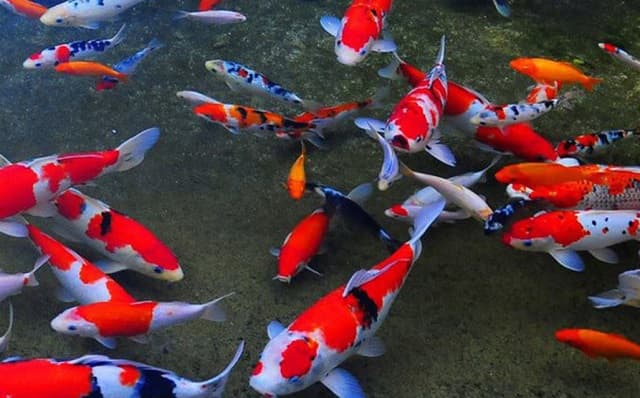
Photo 1: Koi fish is the symbol of Japan. (Source: Internet)
2. Popular koi fish lines are popular on the market
How many lines does koi fish have?and how to raise koi fish in a glass pondhowis an issue that many aquarium hobbyists are often concerned about. Before going to how to feed and care for koi fish, let’s learn about themthe fish-likePopular and popular today so choose for yourself the most beautiful versions of ornamental fish.
Monochrome koi (Hikari Muji mono)
This is a type of koi fish that is quite different from other species of the same breed because it only possesses a single color.including from head to tail and the entire set of fins covering the entire body of the fish. The most common monochromatic koi fish are platinum, golden yellow, orange yellow, etc.and okayVeteran aquarists call it simply ogon. Amongmonochromatic fish species, must mention the known platinum ogon fish linecomemost numerous and are compared to shining silver bars moving in water.
Bicolor koi fish line
The bicolor koi fish line is characterized by two main colors on the body without any other mixing from the third color. Currently,on the marketThere are three most popular lines of bicolor koi: utsuri koi, bekko koi and koi kohaku.
Among them, the two lines utsuri and bekko have the appearancerelatively similarEach other is combined by black with another color. If you are not a longtime aquarium hobbyist, it is very difficult for you to distinguish between these two types of bicolor koi fish. A simple way that many people apply is to observe the black membrane on the fish’s body. While the utsuri koi line has a black background color, the background color of the bekko line will be a different color, black only appearing in a few small patches on the body.
For those interested in the types of koi fish and how to raise koi fish in aquariums, a useful information about the remaining bicolor koi fishfor you– Kohaku koi fish: This is an extremely popular koi line in the Vietnamese market – which comes with a quite expensive price when compared to other species of the same breed.
Characteristic ofkoi fish kohakuare two colors white and red mixed on the body. In addition, another impressive individual of the koi koi kohaku line is the tancho koi with a white body and a large round red dot on the top of its head. With a unique appearance, tancho koi is one of the most expensive koi fish lines and also symbolizes the national flag of Japan.

Photo 2: Bicolor koi fish is characterized by two main colors on its body. (Source: Internet)
Tricolor koi fish line
The two most prominent individuals in the tricolor koi fish family are taisho sanke and showa sankoku. Sankoku in Japanese means three colors. The characteristic of these two koi lines is the combination of 3 colors: black, white, and red. If you are not a person with many years of experience raising ornamental fish, it is very difficult to distinguish these two types of fish from each other.
The simplest way is to observe the background color of the fish. Koi taisho sanke will have a white background combined with black and red patches. In contrast, the showa sanshoku line will have a black background combined with white and red patches. Another tip that can be used to distinguish these two fish strains is to observe the fish oil. The showa sanshoku koi line will have black patches at the head, while the taisho sanke koi line does not have this feature.
Five-colored koi fish line
If yestheIf you are interested in types of koi fish and how to raise koi fish in a glass pond, you will surely be interested in this beautiful iridescent koi fish line. The characteristic of five-colored koi fish is that there are up to five alternating colors including white, red, black, blue and gray.
The most prominent individual among the iridescent koi strains is the asagi koi breed known for its white base with blue scales on top. The overall color of koi asagi is in harmony with five colors combined to create a very impressive and beautiful composition. Asagi is also one of the first successfully bred koi fish breeds to appear on the Japanese market.
To classify iridescent koi fish varieties, people often observe the iridescence and scales on their bodies. The iridescent koi of the ginrin variety has an extremely eye-catching appearance with sparkling scales. Another prominent type of koi known to many aquarium enthusiasts is the doitsu koi fish. This species has a quite unique and different appearance with only two rows of scales growing along its back and an entire layer of smooth skin covering its body.
3. Which type should I choose to raise koi fish in a glass pond?
Koi fish are beautiful ornamental fish and have many meanings of luck. Koi fish farmers often take care of them in the hope of attracting wealth and luck into their lives. Among the current types of koi fish, butterfly koi (butterfly koi) is quite popular and is very suitable for raising in glass ponds at home.
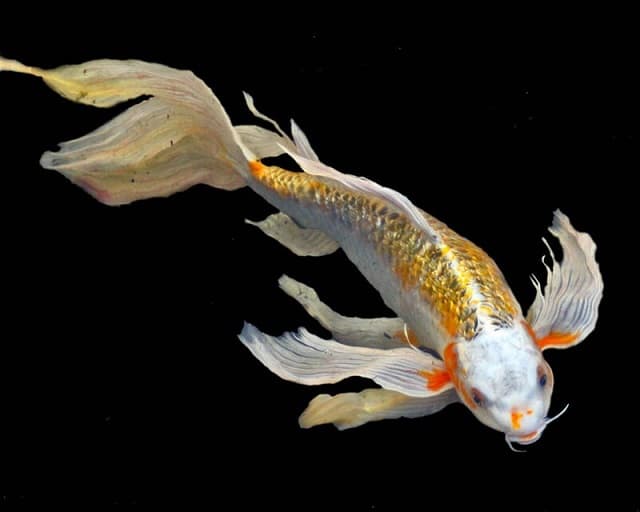
Photo 3: Butterfly koi is a suitable species to keep in a glass aquarium. (Source: Internet)
Butterfly koi are also called “long-finned carp” or “Dragon carp” by aquarium hobbyists. Koi Butterfly is a hybrid carp breed with an extremely impressive appearance. Not only does this type of koi have long fins, fins and tails, it also has many eye-catching colors.
Some special species of butterfly koi also have glitter-like scales that are very prominent at night. When moving in water, they form extremely beautiful, flexible shapes. Therefore, butterfly koi is a suitable ornamental fish to keep in a glass aquarium.
4. How to raise koi fish in a glass pond?
Types of koi fish and how to raise koi fish in a glass pond depend on the characteristics and living environment of each type. However, usually to maintain a stable environment for carp to live, there should be a large enough space. This is also the reason why carp are often raised in large lakes designed outdoors or indoors.
If your home’s space is quite limited to build a large aquarium, you should learn more about itTypes of koi fish and how to raise koi fish in a glass pond. In general, you should pay attention to the following issues to create the most suitable living environment for this fish breed.
Watch now: Causes of green koi pond water and how to fix it
5. Things to pay attention to when raising koi fish in a glass pond
Fish pond size
Glass aquarium size is the first factor to pay attention to when learning about itTypes of koi fish and how to raise koi fish in a glass pond. Aquarium glass walls should have a minimum size of 1.2m or more. This basic size will help the fish have enough space to comfortably swim.
Using a small-sized aquarium will limit the fish’s space, causing them to be cramped. In addition, it is also impossible to place additional accessories such as rocks, gravel, plants, etc., making the overall aquarium look very monotonous. Besides, you should choose glass lakes whose size is proportional to the indoor area to make the space most harmonious and beautiful.
Glass tank material
Glass material should choose tempered glass with a minimum thickness of 10mm or more to ensure it can withstand water pressure. Glass with a thin thickness both does not meet this requirement and is easily broken if there is a collision on the outside.
The location of the koi pond glass tank ensures cool ventilation
You should choose cool, well-lit locations to place the koi pond. Do not choose dark, stuffy places that can cause koi fish to grow slowly, get sick easily, or even die. In addition, you should not let direct sunlight shine into the aquarium as it will cause the water temperature to increase, which is not good for fish growth.
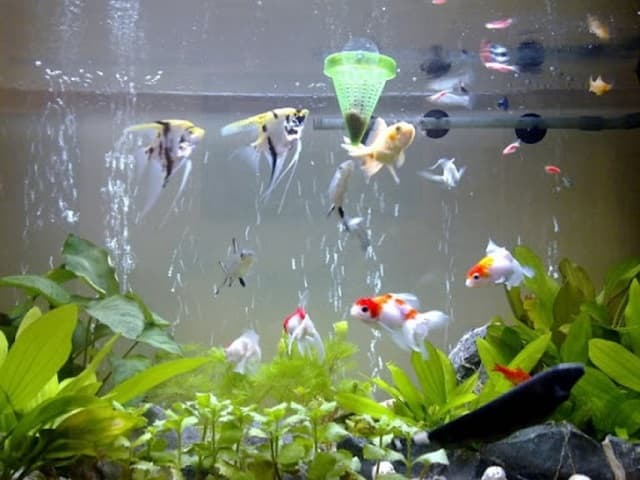
Photo 4: The koi fish tank should be placed in a cool, well-lit place for the fish to grow best.
It is necessary to equip a full filtration system for the fish tank
Koi fish are a breed that likes to be clean. If fish are allowed to live in dirty water for a long time, the fish will easily get sick and may die from weakness.Therefore, for different types of koi fish and how to raise koi fish in a glass pond, farmers need to equip a full water filtration system for the fish tank. The filtration system should use an overflow filter suitable for the size of the glass tank.
The filtration system should use an overflow filter appropriate to the size of the aquarium. In addition, you should not spread gravel in the aquarium to limit fish feces from remaining in the water, easily contaminating the fish’s living environment. In addition, the aquarium filter system should be equipped with a sedimentation chamber so that the newly passed water can be completely cleaned through other filter compartments.
Probiotics for EMKOI koi ponds
Monitor health symptoms of koi fish
In the process of caring for koi fish, observing and monitoring the fish’s daily health status is indispensable. Koi fish is a fish with an extremely high market value, which is why this fish is very sensitive to its living environment. Even a small change can cause the fish to get sick or even die. Here are some unusual signs that warn of the health status of fish that you need to know:
- The swimming pattern becomes abnormal: The fish swims lazily and loses balance, nests in a corner of the aquarium or the fish swims jerkily and rotates. These are warning signs that the fish is suffering from a neurological disease or parasitic infection.
- The fish’s body fades or loses color: The color of the fish’s body becomes faded because the fish is stressed or suffering from water shock and lack of nutrients. In particular, if the color turns silver, it means the fish is suffering from a bacterial disease.
- Changes in diet: Fish eating slowly or not eating is a sign that the fish’s intestines are having serious problems. On the contrary, if the fish has an unusual appetite, it is a sign of poor water quality or parasites causing irritation.
- Fish pant at the surface of the water: If the fish is lacking oxygen or nitrites and ammonia in the water are high, the fish will rise to the surface to breathe. The cause of this symptom may be damage caused by parasites in the water. You need to pay attention to the quality of the water source to avoid causing disease to the fish.
Above is the informationMicrobial product Duc Binhsummary aboutTypes of koi fish and how to raise koi fish in a glass pondfor those who are interested. Hopefully this article will be a useful reference source for readers.
Contact information
Duc Binh Biotechnology Co., Ltd
Tax code: 0108433217
Address: 57 Lane 64 Kim Giang, Khuong Dinh, Hanoi
Phone number: 024.66.55.46.86
Transaction office
Microbial products Duc Binh – Center for research and application of biological productsspecializes in research, production and application of product lines: Probiotics, septic tank enzymes, wastewater treatment enzymes, aquatic enzymes, biological products…
Address:1B Alley 774 Kim Giang, Thanh Liet, Hanoi
Phone number: 0934.214.579
Hotline: 024.66.55.46.86
Email:chephamvisanhungdung@gmail.com
Website:https://chephamvisinh.vn
⫸ See more: How to properly raise Japanese carpmost detailed
⫸ See more:Causes of green koi ponds and how to fix them
⫸ See more:How to clean outdoor aquarium wateryou should know
⫸ See more:Top productscreate microorganisms for aquariumsshould not be overlooked.


