
Poultry farming, typically chickens, is a popular economic model in many Vietnamese households. During the livestock raising process, having to clean and scrub the cages makes many people tired and frustrated. However, with the development of science and technology, today you can completely raise chickens without cleaning the coop, with the development of science and technology. Significant savings in time and costs.
Should we wash the chicken coop regularly?
Should you wash the chicken coop regularly is a question that anyone who starts raising chickens asks. Chickens are a breed of poultry that can easily get sick and die if the living environment is not guaranteed. Therefore, cleaning the cage is a necessary condition to prevent germs that cause diseases in chickens.
However, cleaning the chicken coop is not a simple task. If not cleaned properly, the chicken coop can turn into a disease nest at any time. Cleaning the chicken coop should not be done too often because a humid environment can easily create conditions for mold and bacteria to grow.
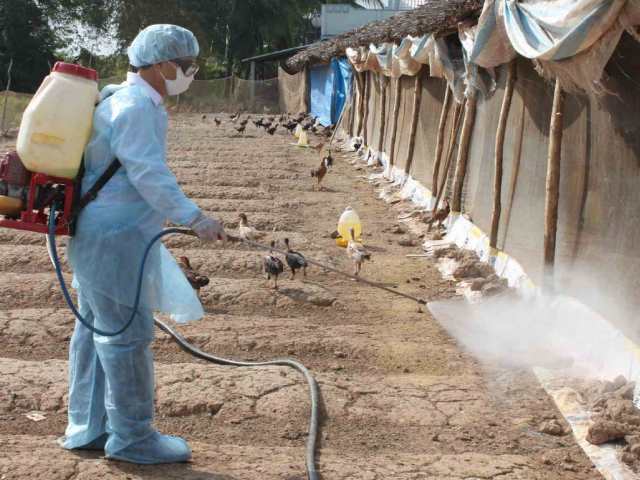
Cleaning the coop helps protect the living environment for chickens
Normally, the traditional chicken coop cleaning process requires the following steps:
- Step 1: Clean up manure and waste: Before washing, remove all chicken manure, straw, and other organic waste.
- Step 2: Rinse with water: Use a pressure hose to wash off stains on the walls and floor of the barn.
- Step 3: Disinfect: After cleaning, spray disinfectant solution on the entire cage surface.
- Step 4: Dry the coop: Let the chicken coop dry completely before putting the chickens back in to avoid a humid environment.
It can be seen that cleaning chicken coops is very time-consuming and laborious for farmers. Therefore, applying the solution of raising chickens without cleaning the coop with biological fillers will be the optimal choice you can refer to and apply.
Biological litter – Solution for raising chickens without cleaning the coop
Biological fillers are not a new concept for livestock farmers. However, not many people really understand the nature, uses and how to use it properly when raising poultry, especially chickens.
Accordingly, to effectively apply the method of raising chickens without cleaning with biological fillers, you cannot ignore the following useful information:
What is chicken coop biological litter?
Chicken coop biological litter is a mixture that helps maintain a clean, dry coop environment and limit disease. This is a method of applying biotechnology to the use of natural materials to create bedding, which not only helps keep warm but also has the ability to decompose and control odors.
Mechanism of action & Benefits of biological fillers
Chicken coop litter works by absorbing moisture, keeping warm and supporting the decomposition of organic waste thanks to beneficial microorganisms. This process takes place under a combination of microorganisms and oxygen, helping to minimize toxic gases such as ammonia, which often negatively affect poultry breathing.
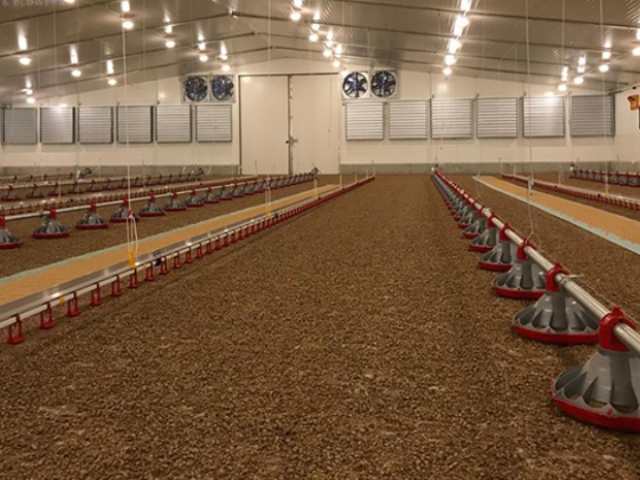
Substance Biological padding helps reduce odors
Under that mechanism of action, dynamic fillers bring outstanding benefits:
- Reduce odor: Biological fillers help limit the generation of toxic gases such as ammonia and hydrogen sulfide.
- Moisture control: Absorbs and maintains humidity in the barn at a stable level, limiting the growth of harmful bacteria.
- Improve poultry health: A dry cage environment with few toxic gases helps reduce the risk of respiratory diseases for chickens.
- Environmental protection: Biological fillers after use can easily decompose into organic fertilizer, safe for the environment.
How to choose and make chicken coop bedding
Chicken coop bedding can be made from different materials, depending on the current condition of the coop. Below is some information about chicken coop litter (Choosing and how to make chicken coop litter) you can refer to:
Commonly used fillers
Biological litter for chicken coops often includes organic materials that absorb moisture and decompose easily. The main components commonly used include:
- Sawdust: Highly absorbent, helps maintain humidity in the barn.
- Straw: Easy to find, has good insulation, helps keep the chicken coop warm in winter.
- Husk: Very popular in poultry farming, with the characteristics of being light, easy to decompose and keep warm well.
- Biological additives: Biological products are added to promote decomposition, help control odor and enhance beneficial microflora.
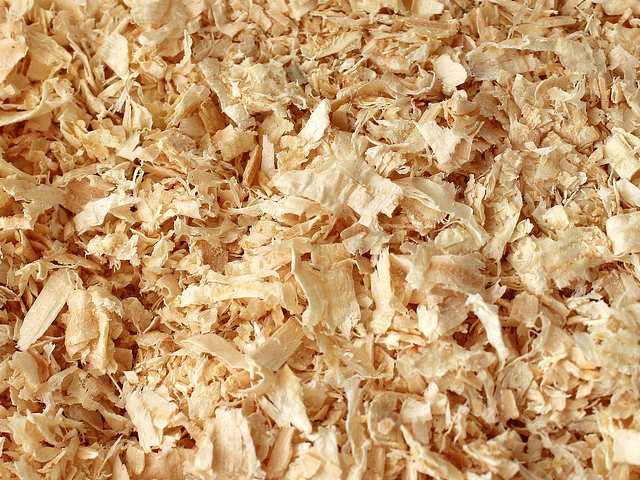
Sawdust is one of the commonly used materials
How to make litter
How to make biological litter to help raise chickens without cleaning the coop is very simple, including the basic steps below:
Step 1: Choose a location and clean the cage
Before starting to make bedding, you need to make sure the chicken coop is clean, with no manure or organic waste accumulated. Then, check the ventilation of the cage to ensure the farming space is not damp or stuffy, thereby helping the bedding work more effectively.
Step 2: Spread the filler layer
After the barn has been cleaned, start spreading a thin layer of bedding 10-15 cm thick depending on weather conditions and the size of the barn. In the early days, you should monitor to ensure the thickness of the bedding layer is appropriate, not too thin to avoid direct contact of chicken manure with the floor of the coop, and not too thick to cause congestion.
Step 3: Replace and improve filler quality
Litter should be checked and changed periodically, especially during rainy seasons when humidity in the barn can increase. If the bedding becomes saturated with feces or a foul odor appears, it should be replaced or supplemented immediately to keep the barn always dry and cool.

Replace and improve filler quality
Step 4: Combine with biological products
To increase the effectiveness of the litter, you can combine it with biological chicken coop yeast by spreading it evenly on the surface of the litter or diluting it with water to spray directly into the coop. This helps control bacteria, reduce odors and improve the living environment for chickens.
Important notes when using biological chicken coop litter
To achieve high efficiency when using biological litter to help raise chickens without cleaning the coop, farmers need to pay attention to a number of factors:
- Choose the right material: In cold regions, priority should be given to materials that can retain heat well such as straw or rice husk. Meanwhile, areas with hot and humid climates should use sawdust or other highly absorbent materials.
- Choose quality biological products: This is an indispensable ingredient for chicken coop litter to work best. You need to find a reputable place to buy biological products, avoid being cheap and buying poor quality products of unknown origin.
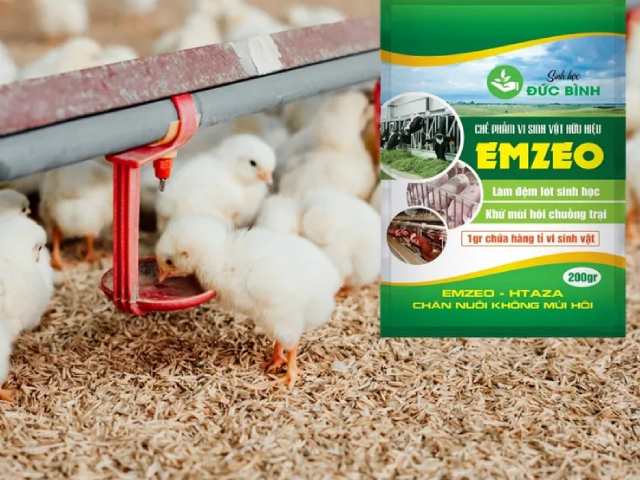
Choosing preparation quality biological products
- Change the filler periodically: When the filler becomes saturated with moisture and begins to smell, it is a sign that it needs to be replaced.
- Monitor the health of chickens: If there are unusual signs such as loss of appetite, fatigue or medical symptoms, immediately check their litter and living conditions.
Above are details on how to apply the solution of raising chickens without cleaning the coop that you can refer to. For detailed instructions and peace of mind to buy quality biological products, you can contact Duc Binh Biology at the information below:
- Phone: (024) 6655 4686 – 0915 79 80 85 – 0934.214.579 – 0934 214579
- Website: https://chephamvisinh.vn/
⫸ See more: Detailed instructions on how to compost goat manure (fertilize plants) effectively most


