Fruit trees need to be provided with proper nutrition to grow strongly and produce high yields. Using organic fertilizers, microbial fertilizers, and biological products is a safe and effective method to help fruit trees not only stay healthy but also produce delicious, quality fruits. If you are wondering about finding the line suitable fertilizer for fruit trees please refer to the following article by chephamvisinh.vn for the most satisfying choice.
1. Classification of fertilizers for fruit trees
For fruit trees to grow healthily and yield high yields, choosing and using the right type of fertilizer is extremely important. Fertilizers currently on the market are divided into many different types, each type has its own use as follows:
1.1 Organic fertilizer
Organic fertilizer is produced from biological materials such as animal manure, plants and other natural products. It does not only provide nutrients for plants butit also helps improve soil health and protect the environment. Some common types of organic fertilizers that you can use for fruit trees include:
- Composted manure: Produced from manure of livestock and poultry. Manure not only provides nitrogen and other nutrients but also improves soil porosity.
- Vermicompost: Made from earthworm excrement, rich in nutrients and contains many beneficial microorganisms, helping the soil become more fertile.
- Green manure: Plants such as beans, grass, or legumes are often used to make green manure. Green manure provides nitrogen and improves soil fertility.
- Compost: A fertilizer produced from composting organic waste (food, leaves, grass,…) through the natural decomposition process. Compost is rich in nutrients and beneficial microorganisms, helping to improve soil fertility.

Organic fertilizers are rich in nutrients and have the ability to improve soil fertility very well
⫸ See more: How to compost straw and leaves quickly item as organic fertilizer
1.2 Microbial fertilizers
Microbiological fertilizer contains beneficial microorganisms such as bacteria and fungi that help improve soil and plant health. These microorganisms work by breaking down organic matter and providing nutrients to the plant, while also protecting it from disease. Currently on the market there are many types of biological fertilizers produced by many different brands. Depending on your farming purpose, you can choose the appropriate product:
- Trichoderma: Trichoderma is a natural antagonistic fungus, belonging to the Hypocreaceae family, which can destroy pathogenic fungi such as Fusarium, Rhizoctonia and Pythium. They are widely used in agriculture as a biological product to improve soil health and increase plant disease resistance.
- Azospirillum:Azospirillum has the ability to convert nitrogen from the air into a form that plants can absorb, providing the necessary nitrogen source for growth. This bacteria produces plant hormones, which stimulate root growth and improve nutrient absorption.
- Mycorrhiza: Mycorrhiza helps plants absorb nutrients such as phosphorus and nitrogen from the soil more effectively by expanding the root area of plants. The presence of mycorrhiza fungi helps plants resist adverse conditions such as drought and poor soil.
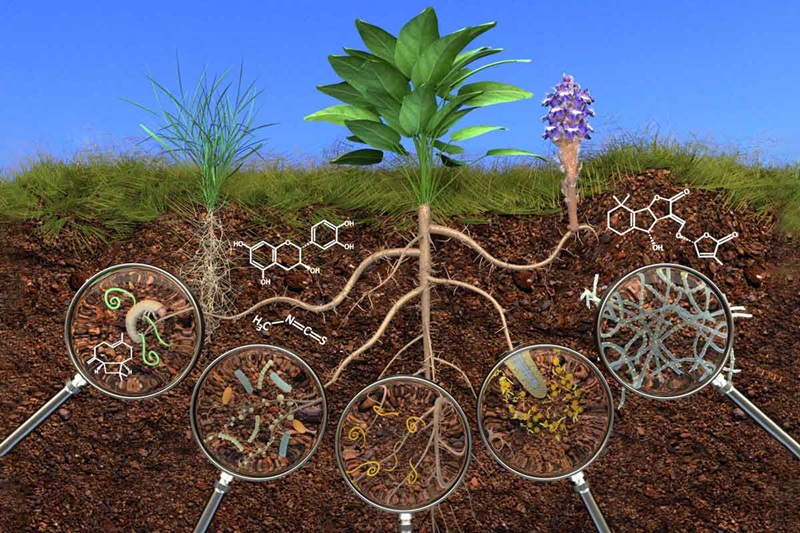
Microbiological fertilizers help improve resistance, helping fruit trees fight diseases
>
1.3 Chemical fertilizers
Chemical fertilizers are produced from synthetic chemical compounds, quickly providing essential nutrients for plants. This type of fertilizer is often used to meet rapid nutritional needs during the period of strong plant growth. For fruit trees, farmers often prioritize using the following types of fertilizers:
- Urea: Nitrogen fertilizer with the chemical formula CO(NH₂)₂, containing about 46% nitrogen (N). This is the highest pure nitrogen fertilizer and is widely used in agriculture. It plays an important role in synthesizing chlorophyll, a pigment that helps plants photosynthesize, thereby promoting the growth of leaves and stems.
- Super Phosphate: Super Phosphate is a phosphorus-containing fertilizer, produced from treating phosphate ore with sulfuric acid. Super Phosphate helps fruit trees bloom simultaneously, enhance fruit-bearing ability and improve productivity. Using phosphate fertilizers helps plants become healthier, capable of resisting diseases and pests.
- Potassium Chloride:Potassium Chloride (KCl) has a potassium content of about 60%, one of the three main nutritional elements (N-P-K) necessary for plant growth. Potassium plays an important role in regulating osmotic pressure in cells, helping plants absorb water and nutrients effectively. This ingredient also aids in the synthesis of proteins and carbohydrates, thereby promoting healthy plant growth.
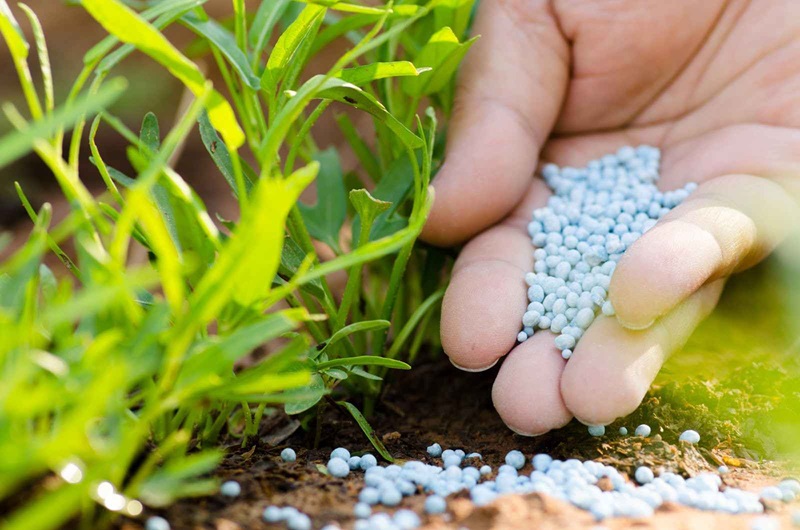
Chemical fertilizers provide nutrients quickly, helping fruit trees thrive
2. Instructions for using fertilizer for fruit trees in each stage
fertilizing fruit trees is an important step, helping the tree grow strongly and produce high yields. Each stage of plant development requires different types of fertilizers and fertilization methods.
2.1 Soil preparation stage
The soil preparation stage is the first important step in the process of growing fruit trees. It helps ensure that plants have the best living environment, even has a great influence on plant growth and productivity throughout the growth process. Therefore, you need to prioritize using organic fertilizers such as manure (cow manure, chicken manure), compost or green manure from legumes. Organic fertilizer not only provides nutrients but also helps improve soil structure, increase soil fertility and water holding capacity.
About 5-10 kg of organic fertilizer should be applied per square meter of land, mixing the fertilizer well with the soil during preparation. To achieve the best results, you should prepare the soil about 2-3 weeks in advance to help the fertilizer dissolve and penetrate the soil, providing nutrients for the plants before planting. When fertilizing, people should spread it evenly around the base of the tree and loosen it gently so that the fertilizer penetrates the soil. Make sure not to apply fertilizer directly to the base of the tree, as this can damage the young roots of the tree.

Prioritize organic and microbial fertilizers in the soil preparation stage for growing fruit trees
2.2 Growth stage
The growth stage of fruit trees is the decisive moment in the tree’s development: The formation of the root system to the development of leaves and stems. During this period, plants need a certain amount of nutrients to grow strong and healthy. Therefore, we must add at the same time all 3 types of organic, chemical and microbiological fertilizers with appropriate proportions:
- Manure: Use cow manure, chicken manure or pig manure, providing sustainable nutrients for plants. Organic fertilizers not only provide N, P, K but also improve soil porosity.
- Biofertilizers: Products such as Trichoderma or Azospirillum can be used to stimulate root growth and enhance the plant’s ability to absorb nutrients.
- NPK (20-20-15): Usually apply about 0.5-1 kg of NPK fertilizer per square meter of soil. This amount of fertilizer can be divided into 2-3 applications during the growth period to ensure the plant always receives enough nutrition.
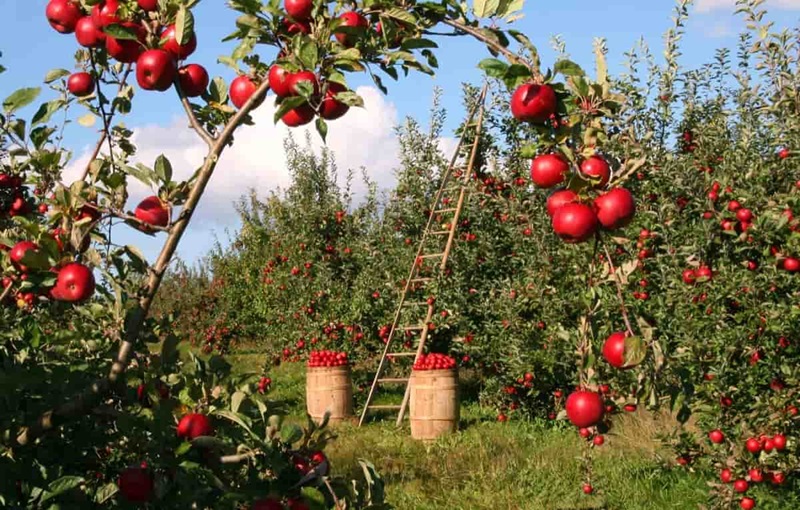
The growth stage is an important time to establish the foundation for tree development- How to fertilize fruit trees during the growth stage
2.3 Stages of fruit development
For fruit to grow healthily, providing adequate and timely nutrition is essential. Farmers need to balance fertilizers and add them properly according to the formula:
- Decomposed manure: Apply about 3-4 kg of organic fertilizer per square meter of land, helping to provide sustainable nutrition for the tree throughout the fruit development stage.
- Microbiological fertilizer: Normally, apply about 1-2 kg of biofertilizer for every 100 square meters of land. Microbial fertilizer should be applied as soon as the fruit begins to form, usually about 1-2 weeks after flowering.
- Potassium fertilizer: Depending on the type of plant and soil fertility, the dose of potassium fertilizer can be from 0.5 to 1 kg per 100 square meters of land. The best way is to dig a hole near the base of the tree, add potassium fertilizer and then cover it with soil to ensure the fertilizer does not wash away and the tree can easily absorb nutrients.
3. Fertilizing techniques for fruit trees
In addition to choosing the right type of fertilizer, fertilizing properly is something people need to pay attention to. Here are instructions from the experts:
3.1 For fruit trees grown in the ground
- Spread the roots, loosen the soil: We will spread fertilizer according to the projection of the tree canopy, gently loosen the soil so that the fertilizer can absorb quickly. After fertilizing, fertilizer must be lightly watered to increase absorption. People should note that they should not water heavily after fertilizing because it will cause the fertilizer to be washed away
- Foliar fertilization: People mix fertilizer with the recommended dosage to spray in the early morning or late afternoon for best absorption. Note, the foliar fertilization method should be applied when the soil is seriously lacking in nutrients and the plant needs to absorb nutrients quickly.
3.2 For fruit trees grown in pots
Unlike fruit trees grown on the ground, growing trees in pots has a narrow space, so if you fertilize too much, it can easily cause fertilizer shock. Therefore, when fertilizing fruit trees in pots, people should spread it evenly, not concentrating too much at the base.
Regarding dosage, for potted plants we should fertilize little but often. You can use slow-release NPK fertilizer or decomposed organic fertilizer. Fertilize periodically every 15 to 20 days. This way, it provides enough nutrients for the plant to grow and cover the fruit without causing overload or fertilizer shock.
4. Note when using fertilizer for fruit trees
If you want the tree to bear lots of fruit and ensure the best quality of fruit, you need to be careful in fertilizing. Below are some important notes when using fertilizer for plants:
4.1 Apply the right type of fertilizer and the right dosage
Each growth stage of fruit trees needs a different type of fertilizer, for example: After harvest, you should fertilize a lot of nitrogen and phosphorus to help the tree root and bud. During the flowering and fruit growing stages, you should fertilize a lot of potassium and phosphorus to promote flowering, fruit set, and increase fruit quality. Note, the amount of fertilizer is sufficient, do not over-fertilize with potassium because it can lead to nutritional imbalance.
4.2 Fertilize at the right time, in the right weather
According to experts, fertilizing fruit trees should be divided several times. This way, the plant will absorb maximum nutrients without causing excess fertilizer in the soil. You should fertilize in the early morning or evening, avoid fertilizing in strong sunlight because high temperatures will damage the roots. On the other hand, if it rains heavily, people absolutely do not apply soluble fertilizer because it can be washed away and cause waste.
4.3 Fertilize properly
There are many different ways to fertilize fruit trees. Depending on the type of plant and time of fertilization, we can apply the following methods:
- Fertilize around the tree canopy, 1m to 1.5m from the base
- Bury the manure or dig a trench and pour it in. Note, the fertilizer must be covered after fertilizing to avoid evaporation and not being washed away.
- After fertilizing, we need to water just enough to maintain moisture and increase the plant’s ability to absorb nutrients.
- Using a combination of organic fertilizers periodically will help improve soil, increase soil porosity, and contribute to protecting the living environment.
Organic and microbial fertilizers are smart choices to help fruit trees grow healthily and sustainably. Not only do they bring good yields and fruit quality, these fertilizers also help protect the environment and improve long-term soil quality. For detailed advice and selection of suitable fertilizer products chephamvisinh.vn for quality fruit trees, visit chephamvisinh.vn today to receive free consultation fee.
Contact information
>
Address : 1B Alley 774 Kim Giang, Thanh Liet, Hanoi
Phone number: 0934.214.579
Email: chephamvisinhungdung@gmail.com
Website:https://chephamvisinh.vn
⫸ See more: What is NPK fertilizer? How to fertilize plants with NPK
>