
“In the vivid picture of modern agriculture, the use of agricultural supplies such as fertilizers and pesticides is indispensable. However, the downside of this intervention is the potential risk of plant poisoning, a common problem but causing significant losses in productivity and quality of agricultural products. Equipping with knowledge to promptly identify signs of poisoning and apply Effective “detoxification” measures for plants will be the key to restoring plant health, thereby protecting the fruits of labor and ensuring the sustainable development of agriculture.”
Fertilizer and pesticide poisoning is a fairly common phenomenon in the farming process, causing negative impacts on plant growth and productivity. Timely recognition and implementation of antidotes for plants will help ensure the yield and quality of agricultural products.
1. How to identify plants poisoned by fertilizers and pesticides
Plant poisoning occurs when excessive absorption of nutrients in fertilizers or chemicals in plant protection drugs (plant protection products) occurs. If not treated promptly, the plant will lose nutritional balance and abnormal signs will appear.
Below are some prominent signs that farmers need to grasp to promptly have a treatment plan to avoid crop loss and economic damage:
1.1 Leaves change color
- Fertilizer poisoning: Leaves may appear burned, usually brown or black spots along the leaf edges. Sometimes, the leaves will turn yellow, wilt, and dry out. This phenomenon often occurs when plants have “root burn” due to absorbing more fertilizer than needed.
- Pesticide poisoning : When plants are poisoned with pesticides, the leaves may turn brown, yellow or have unusual spots appear. Leaves may also shrink, curl, or fall prematurely.

Leafs changing color identity
1.2 Damaged tree roots
Roots are the parts most easily affected when plants are poisoned. When the roots are damaged, the plant will have difficulty absorbing water and nutrients, reducing its ability to grow.
- Fertilizer poisoning: Plant roots can “burn”, especially young roots. When examined, you may see that the roots are dark brown or black, brittle, and have lost their absorptive capacity.
- Pesticide poisoning: Roots may be deformed, rotten or develop cracks. This will reduce the tree’s ability to withstand harsh environmental conditions.
1.3 The tree shows signs of weakness and slow growth
Fertilizer and pesticide poisoning both negatively affect the overall growth of plants. Poisoned plants will grow slowly, have weak stems and branches, easily break and not reach the desired height.
2. Principles for rescuing poisoned plants
As soon as you detect a poisoned plant, you need to quickly treat the plant before applying specific antidotes to plants . Accordingly, no matter what type of plant, you need to initially detoxify the plant according to the following principles:
- Immediately stop using pesticides and fertilizing plants: The first thing to do is to immediately stop spraying and fertilizing to avoid poisoning from becoming more serious. This way, the plant has time to adjust itself and reduce the absorption of additional chemicals into the cell tissues.
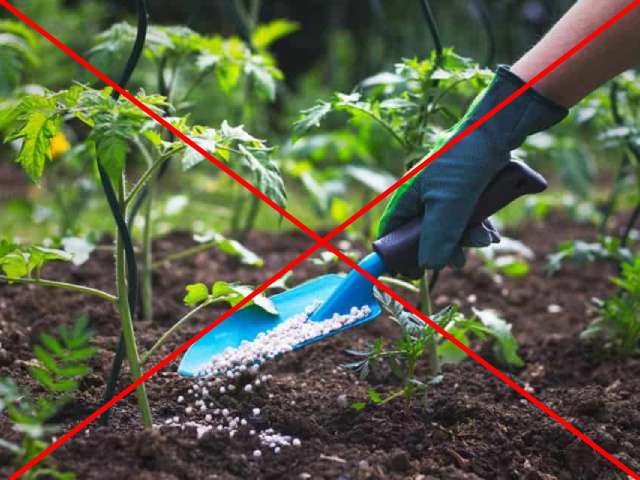
Immediately stop using pesticides and fertilizing plants
- Irrigation and washing of leaves: Washing the plant, especially the roots, will help remove most chemicals on the leaves and roots. If the plant is grown in a pot, you can wash the entire pot under water to minimize the amount of remaining chemicals.
- Change the soil or wash the soil (if necessary): For potted plants, replacing the soil with new soil will remove excess chemicals in the old soil, giving the plant a new, safe environment to recover.
3. Effective methods of using antidotes for plants
After conducting preliminary and emergency treatment steps, the next stage is extremely important so that plants can recover quickly and minimize losses in productivity and output. Below are in-depth methods and “antidotes”, designed to help plants regenerate vitality and stabilize the growth process in the most effective way.
3.1 Using Chelate compounds
Chelates are compounds that have the ability to bind with heavy metal ions and other toxic substances in the soil or in the plant’s body, helping the plant easily eliminate these toxins. Chelates are often used in agriculture to improve plant health and enhance nutrient absorption.
How to do it:
- Step 1: Dissolve the chelate: Take 1-2 teaspoons of the chelate (depending on the type) and dissolve in about 1-2 liters of clean water. Stir well until the chelate is completely dissolved.
- Step 2: Water the plant with chelate solution: Water evenly around the base of the plant, making sure the solution does not come into direct contact with the leaves to avoid causing burns or irritation. Watering should be done in the morning or late afternoon so that the plant can easily absorb it.
- Step 3: Monitor and check recovery status: Observe the plant for 3-7 days after watering. If you see signs of recovery, such as greener leaves and better growth, then it is effective. Can be reapplied after 1-2 weeks if the plant still shows signs of poisoning.
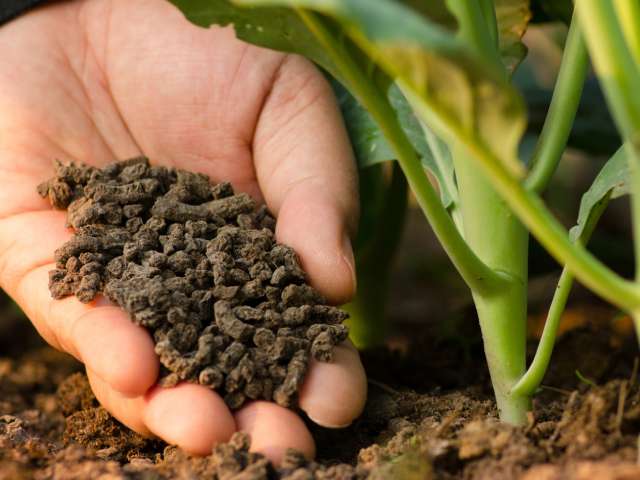
Using Chelate compounds to detoxify plants
3.2 Using Epsom salt
Using Epsom salt (magnesium sulfate) to detoxify plants poisoned by fertilizers and pesticides is an effective method thanks to its ability to provide magnesium and sulfur to plants, helping them recover and improve their health.
How to do it:
- Step 1: Prepare solution: Dissolve 1-2 tablespoons of Epsom salt in 1 liter of water. Depending on the severity of the plant’s condition, you can adjust the amount of salt.
- Step 2: Water the plant with solution: Use a watering can or spray bottle to water the Epsom salt solution onto the soil around the base of the plant. Avoid letting the solution come into contact with the leaves because it can easily cause burns or damage to the leaves. Water in the morning or late afternoon for better absorption.
- Step 3: Monitor the condition: After watering the solution, observe the plant’s recovery within 1-2 weeks.
3.3 Using organic fertilizer
Using organic fertilizer to detoxify plants not only helps improve plant health but also improves soil quality. This is considered the safest and most effective antidote for plants today. Below are detailed instructions you can apply:
Step 1: Choose the right fertilizer
Depending on the condition and type of plant, you can choose the appropriate fertilizer such as manure (from cow, pig, chicken manure), vermicompost or green manure (from composted salt grass, elephant grass)
Step 2: Prepare organic fertilizer
- Composting: If you use manure, compost it for at least 2-3 weeks to minimize odors and kill harmful bacteria.
- Crush: If using green manure, grind it to make it easier for plants to absorb.
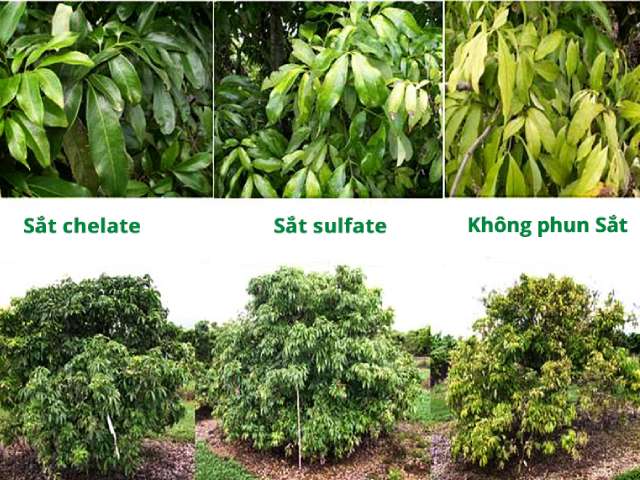
Using organic fertilizer is a commonly used method of detoxifying plants
Step 3: Use organic fertilizer to detoxify
Method 1: Apply fertilizer to the soil
- Watering: Before fertilizing, water the soil around the base of the tree to keep the soil moist, making it easier for the tree to absorb fertilizer.
- Fertilizing: Spread a thin layer of organic fertilizer (about 1-2 cm) on the soil surface around the base of the tree. You can use about 1-2 kg of fertilizer for a large tree or 200-300 grams for a small tree.
- Watering: After fertilizing, water more so the fertilizer can easily dissolve and penetrate deeply into the soil.
Method 2: Mix solution
- Mix the solution: Mix 1 part organic fertilizer with 10 parts water in a container. For vermicompost, you can dilute 1 part with 5 parts water.
- Soak: Let the solution soak for about 24-48 hours so that the nutrients in the fertilizer dissolve into the water.
- Watering plants: Use this solution to water the soil around the base of the plant or spray it on the leaves. This helps quickly provide nutrients to the plant and aids in the recovery process.
Step 3: Monitor crop condition
- Observe: After using organic fertilizer, regularly monitor the plant’s condition. Signs of recovery may include leaves becoming greener, roots growing strongly, and the plant gradually returning to its normal state.
- Adjust dosage: Depending on the plant’s response, the dosage of organic fertilizer can be adjusted in subsequent fertilizations.
4. Effects of micronutrients in detoxification
In addition to direct detoxification methods, the addition of essential micronutrients plays an important role in enhancing the plant’s self-recovery ability. When poisoned, the plant’s metabolism is disturbed; At this time, micronutrients will help re-establish biochemical balance and activate the plant’s natural defense mechanisms. Accordingly, the roles of Calcium (Ca) and Silicon (Si) in detoxification include:
- Calcium (Ca): Calcium is an element that makes up cell walls, helping to strengthen the tissue and cell structure of plants, especially roots. When plants suffer from fertilizer poisoning (usually due to excess mineral salts), Calcium will help reduce the toxicity of Sodium (Na) and Chloride (Cl) ions, while reducing the excessive absorption of heavy metals, helping cells stabilize again.
- Silic (Si): Silicon is not an absolutely essential nutrient but it is an effective “bodyguard” for plants. When a plant is poisoned, Silicon is absorbed and accumulated under the epidermis, forming a solid physical barrier that helps the plant better withstand environmental stress, while minimizing the penetration and accumulation of toxins (such as excess aluminum and manganese). Adding Silica through foliar spray or root irrigation will help plants recover faster and increase overall resistance.
In short, the presented “detoxification” methods are an important key to helping plants overcome crises and recover strongly after fertilizer or pesticide incidents. Above are effective how to use antidote for plants methods you can apply. For more in-depth advice on optimal solutions and products to support plant health recovery, readers please contact directly at: chephamvisinh.vn. We are always ready to accompany farmers to protect and improve the quality of agricultural products.
⫸ See more: Causes, symptoms and treatment of anthracnose in plants
Contact information
>
Address : 1B Alley 774 Kim Giang, Thanh Liet, Hanoi
Phone number: 0934.214.579
Hotline: 024.66.55.46.86
Buy/Zalo: 0934.214.579
Email: chephamvisinhungdung@gmail.com
Website: https://chephamvisinh.vn


