
Anthracnose is one of the leading threats in agricultural cultivation, especially when exposed to wet weather conditions, causing serious losses in productivity and significantly reducing the quality of agricultural products. To protect crop yields and ensure the sustainable development of plants, it is extremely urgent to be equipped with in-depth knowledge about disease mechanisms, recognition signs along with proactive prevention measures. In this in-depth article, we will provide detailed instructions on how to identify anthracnose disease and apply strategies to effectively control and prevent the disease.
1. How to identify plants with anthracnose disease
Anthracnose is caused by fungi of the genus Colletotrichum, often appearing on many types of crops such as fruit trees, vegetables, ornamental plants and industrial plants. The disease is spread through fungal spores, rainwater, wind, or garden tools with specific symptoms such as:
- On leaves: The earliest symptoms of the disease are small brown, yellow or black spots appearing on the leaves, often surrounded by a red border. As the disease progresses, these spots tend to spread and create ulcers, causing leaves to become necrotic and fall prematurely.
- On the fruit: Fruits infected with anthracnose often have dark brown spots, especially at the contact position with the stem or places where there is contact between the two fruits. This disease can spread to the entire fruit surface, causing local or total flesh rot.
- On trunks and branches: Anthracnose marks on trunks and branches are usually small brown spots, slightly concave, appearing along the nodes of branches. The longer the disease lasts, the more it will cause necrosis of the entire body, leaving ulcers that can break branches and kill the tree.

Anthracnose appears as small brown spots on branches, leaves and entire tree trunk
2. Causes of anthracnose on plants
Anthracnose thrives in hot and humid weather conditions, especially during the rainy season or in areas with high humidity. Plants infected with anthracnose will rapidly lose resistance due to loss of nutrients and cell damage. Early recognition of symptoms and finding the cause of the disease will help you prevent and treat it promptly.
- Weather conditions: A humid environment, especially in the rainy season, is an ideal condition for Colletotrichum fungus to grow. When air humidity is high and temperatures are warm (usually 25-30°C), fungi easily spread through rain and wind. The rapid growth of fungi in this environment causes anthracnose to become a widespread epidemic, especially in agricultural clusters in the tropics.
- Infection through soil: Colletotrichum fungus, the causative agent of anthracnose, has the ability to persist in soil from previous crops and easily attack new crops through the root system. In particular, conditions such as soil that is always wet, not dried or thoroughly treated, the use of uncomposted fertilizers (fresh manure), or skipping the step of spraying fungicides before the planting season will create an ideal environment for the fungus to recur and spread on a large scale. This is the reason why in continuously cultivated areas without appropriate land improvement and treatment measures, anthracnose epidemics often break out and become a persistent threat.
- Spread from infected plants: Once a plant is infected with anthracnose, the fungus easily spreads through contact between plant parts such as leaves, branches, and fruits. Additionally, fungal spores can be transmitted through irrigation water or unsterilized garden tools. The disease can quickly infect other healthy plants, creating an outbreak in the garden.
- Improper care: Plants that do not receive adequate care, especially malnutrition, will have a weak immune system and be susceptible to disease. In addition, neglect in field hygiene, including not promptly pruning infected plant parts or not thoroughly cleaning up plant residue, is also an important reason why pathogens easily spread. Other factors such as inconsistent moisture and water management, too high crop density, or neglecting crop rotation can all significantly increase the risk of anthracnose outbreaks and development.
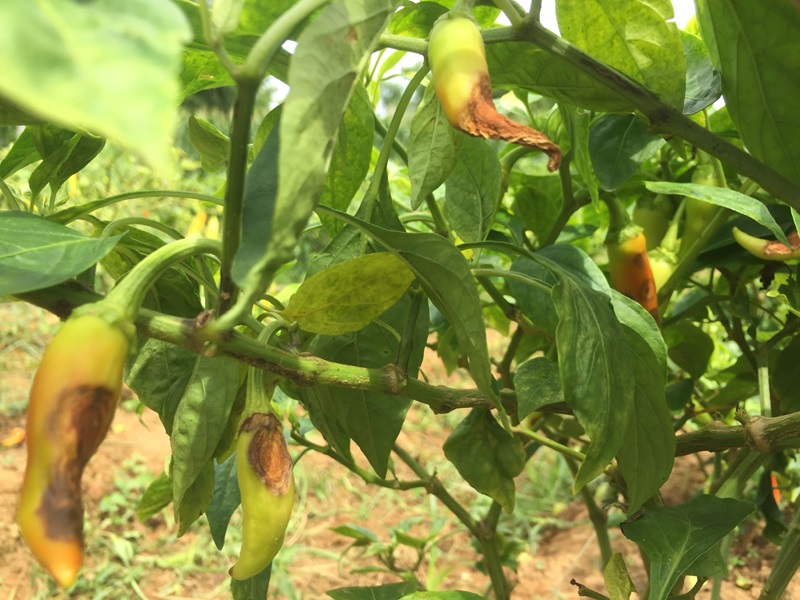
Anthracnose is caused by Colletotrichum fungus and causes harm
3. Harmful effects of anthracnose on crop productivity
Anthracnose not only affects productivity but also reduces the quality of agricultural products, increases production costs, leading to great economic losses for farmers.
- Yield reduction: Diseased plants often have weak growth and very low flower and fruit setting rates. Large fruits often rot and do not meet the standards for harvesting. In places where disease strikes, harvests can be significantly reduced, up to 50%.
- Affects the quality of agricultural products: The disease causes fruit rot, deformation and affects the color, sweetness and crispness of the meat. Seriously affecting the ability to consume products, especially in export markets.
- Increased farming costs: Anthracnose appears directly affecting the commercial value of products, increasing prevention and treatment costs, creating financial burdens for farmers.
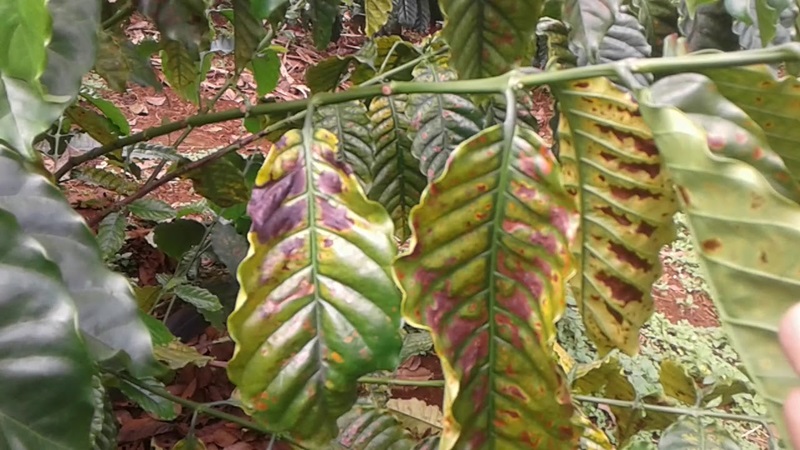
Anthracnose affects the productivity and quality of agricultural products
4. How to effectively treat and prevent anthracnose
Understanding farming methods, treatment and disease prevention helps effectively protect plants from diseases. In the content below, experts will share with you the most popular and effective methods to treat and prevent anthracnose, providing gardeners with useful tools to ensure gardens stay healthy.
Cultivation Practices
Cultivation practices play an important role in controlling anthracnose, not only helping to prevent fungal growth but also enhancing plant health. Each measure has its own benefits, helping to create a favorable environment for plants to grow and minimize the risk of disease transmission.
- Prune trees regularly: Prune branches neatly, limit shade in the garden to help both soil and trees receive enough light, eliminating the growth environment for fungi. Ventilated spaces also reduce the risk of soil-borne diseases, making plants healthier and easier to fight diseases.
- Garden hygiene: Removing and destroying diseased plant parts is essential to prevent the spread of the disease, eliminate sources of infection from previous crops, and keep the garden clean and safe.
- Crop rotation: Do not consecutively plant crops susceptible to anthracnose on the same land area. Crop rotation not only helps cut off the life cycle of fungal diseases, but also creates diversity in crops, reducing the risk of disease spread.
Biological measures
Using biological products such as Neem essential oil helps prevent and control anthracnose fungus. This is a safe and environmentally friendly method, helping to protect the health of growers and not polluting the land. In addition, microbial products can improve plant health, helping plants become more resistant to diseases.
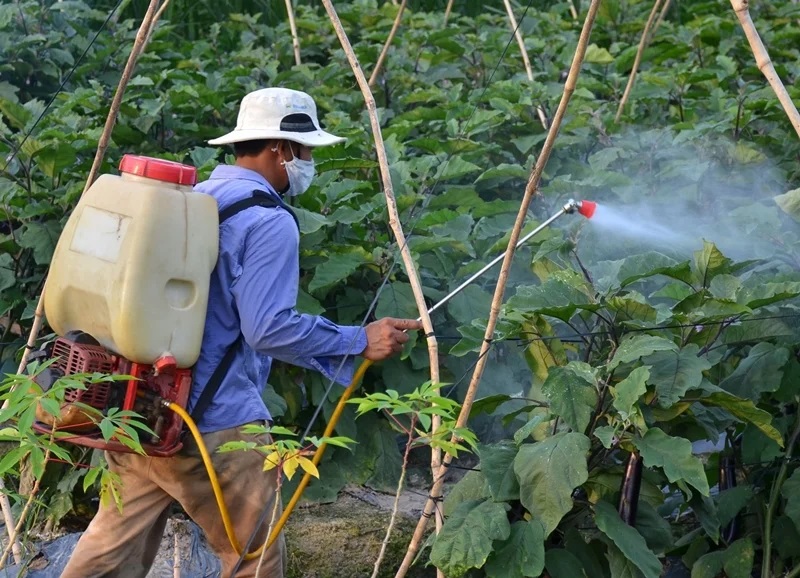
Combining cultural, biological and chemical measures helps control anthracnose effectively
>
Warm-killing drugs
When anthracnose appears on a large scale and the condition becomes more serious, it is necessary to apply special drugs, both biological and chemical. However, drug use needs to be done carefully, following the correct dosage and instructions for use, to avoid drug resistance and ensure plant safety.
- Fungicide: Some medications that are effective in treating anthracnose include Anvil 5SC, Green Mancozeb, and Nativo 750WG. These ingredients work by inhibiting fungal growth, thereby helping to protect plants.
- Bacillus subtilis microbial product: This is a type of bacteria that can compete with fungal pathogens, thereby preventing the growth of them. Bacillus subtilis also has the ability to stimulate the plant’s immune system, helping the plant fight diseases better.
To prevent anthracnose, fungicides should be sprayed periodically throughout the season, especially during times of high humidity. Early preventive spraying will help control the disease at an early stage, minimizing the risk of disease outbreaks during the crop season.
>
>
5. Instructions for cleaning and treating soil to prevent diseases
To cut off the main source of Colletotrichum infection from the previous crop, land treatment is the key step. Fungi have the ability to survive for a long time in plant residue and soil, so people need to apply thorough measures to clean and improve the soil:
- Clean up residue thoroughly: Immediately after harvesting, it is necessary to collect and destroy all crop residue, fallen leaves, and infected dry branches. Absolutely do not leave them on the ground or bury them in the ground because this is the ideal habitat for fungal spores.
- Dry the soil or treat it with lime: For soil for growing vegetables or short-term plants, the soil should be dried in the sun for about 1-2 weeks to kill pathogens. If it is not possible to dry the soil, lime powder can be spread on the soil surface in reasonable doses to raise soil pH (slightly alkaline soil pH will inhibit the growth of fungi) and disinfect.
- Use antagonistic microorganisms: Add preparations containing antagonistic microorganisms such as Trichoderma to the soil before planting. Trichoderma not only decomposes organic matter to help soil become loose, but also competes for nutrients and directly attacks Colletotrichum fungus, creating a disease-free and healthier soil environment.
6. Managing water and humidity in the growing environment
Humidity is the determining factor in the outbreak and spread of anthracnose. Strictly controlling water sources and humidity is an extremely effective chemical-free disease prevention measure:
- Water at the right time: Only water in the early morning, avoid watering in the evening. Watering in the morning gives the plant enough time for the leaves and soil surface to dry before nightfall, limiting the creation of prolonged wet conditions for fungus to grow.
- Use economical irrigation systems: Prioritize the use of drip irrigation systems instead of sprinkler irrigation. Drip irrigation helps deliver water directly to the root zone, keeping the foliage dry, significantly reducing the possibility of spreading fungal spores through water droplets on the leaves.
- Control density and ventilation: Ensure reasonable planting density, regularly prune branches and leaves to create maximum ventilation for the garden. Good air circulation will help reduce local humidity in the canopy, preventing condensation and the growth of fungal diseases.
- Fast soil drainage: Make sure the drainage system in the field or in pots works well. Waterlogged soil is the perfect environment for the fungus Colletotrichum to attack roots and cause outbreaks.
Anthracnose is one of the major challenges for agricultural workers, however, if detected early for timely treatment, it can still be treated to avoid affecting the quality of agricultural products. Hopefully, the preventive measures shared by experts in today’s article will help farmers minimize the damage caused by the disease. If you need more information or are looking for optimal solutions to prevent anthracnose, please visit immediately chephamvisinh.vn for more detailed advice.
>
>
Contact information
Duc Binh Biotechnology Company Limited
MST: 0108433217
Address: 57 Lane 64 Kim Giang, Khuong Dinh, Hanoi
Phone number: 024.66.55.46.86
Transaction office
Duc Binh Microbial Products – Center for Research and Application of Biological Products specializes in research, production and application of product lines: Probiotics, septic tank yeast, wastewater treatment yeast, aquatic yeast, biological products…
Address : 1B Alley 774 Kim Giang, Thanh Liet, Hanoi
Phone number: 0934.214.579
Hotline: 024.66.55.46.86
Email: chephamvisinhungdung@gmail.com
Website:https://chephamvisinh.vn


