Compared to synthetic potassium, organic potassium is highly appreciated for its safety and reasonable price. However, there are still many people who do not clearly understand the nature of Organic Potassium. So in today’s sharing article, Duc Binh Microbial Products will give detailed instructions What is organic potassium? How to make and use this familiar but essential fertilizer for plants.

What is organic potassium? The most effective way to make organic potassium to fertilize plants
1. What is organic potassium?
Organic potassium is simply an organic fertilizer produced from a number of naturally available ingredients, supporting potassium supplementation for plants. In particular, Potassium plays a role as an essential mineral, directly affecting the growth rate and productivity of crops. Specifically, the following roles:
- Supports energy metabolism, helping plants absorb nutrients to maintain the growth of organs.
- Helps plants create a solid framework, helping them stand firm even when affected by wind or strong external forces.
- Ensure plants have good resistance to weather changes and pest attacks.
- Stimulates root system growth, helping the process of branching, flowering and fruit formation take place more smoothly.
- Increases the ability to absorb nutrients for plants, promoting increased productivity.
- Helps agricultural products ensure quality and have more beautiful designs (Potassium helps improve sugar content in agricultural products, maintaining sweetness and beautiful color).

What is organic potassium?
Because of its important role in supporting the development and improving the quality of forest product productivity, you need to pay special attention to adding potassium to plants at the right time. Organic potassium fertilizer is a natural, safe source of nutrients for plants. Using organic potassium fertilizer helps plants grow healthily, increasing productivity and quality of agricultural products.
2. Signs that plants are lacking in Potassium
Potassium is one of three important macronutrients (NPK) for plants. Plants need a lot of Potassium during the flowering and fruiting stages. Potassium helps increase the process of bud differentiation, reduce the rate of shedding, increase the rate of fruit setting, and increase the accumulation of sugar and vitamins in the fruit. It is not difficult to determine whether plants are lacking potassium or not. Because the signs of this condition are relatively clear. Specifically:
- Trees grow slowly, are easily attacked by pests, and are stunted when unfavorable factors appear in the environment.
- Tree roots often rot, stems and branches are stunted, trees are easily knocked over, and fruits fall even before harvest time.
- The size of the leaves is smaller than normal, many leaves have red dots.
- The leaves have many black burnt streaks, distributed from the front of the leaf to along both sides. These leaves tend to fall off early.

Potassium-deficient plants are often stunted
In general, Potassium plays a role as an essential mineral that affects plant growth. Therefore, if you want your plants to grow well and be less affected by pests and weather factors, you should add potassium promptly.
3. Time to add potassium to plants
You can add potassium to plants at many times. For example, before fertilizing, before flowering, when the weather is dry and 1 to 2 months before harvesting fruit.
3.1 Before fertilizing
Potassium’s main function is to help plants absorb water and nutrients through the roots. Thereby promoting the process of nutrient regulation, helping plants absorb nitrogen and phosphate more effectively.

You should apply potassium before fertilizing
Therefore, before fertilizing or fertilizing nitrogen, you should add potassium to the plant. Thus, the amount of nitrogen and fertilizer after fertilization will be absorbed better, avoiding waste.
3.2 Before flowering
Whether or not plants are healthy and lush depends greatly on the amount of potassium they absorb. A simple tip to help plants branch, flower and produce fruit faster is to add potassium.

Potassium is suitable for fertilizing plants before flowering
According to the experience of many farmers, the flowering rate of plants can be significantly improved if potassium is applied before the time of flowering. Besides increasing flowering rate, this mineral also reduces fruit drop.
3.3 When weather conditions are dry and unfavorable
The ability to convert energy into nutrients that plants can absorb depends greatly on Potassium. That’s why when lacking this mineral, plants are often stunted and prone to falling, especially when exposed to adverse weather.
If you notice the weather changing in an unfavorable direction, fertilize your plants with Potassium. Thanks to that, the tree can withstand drought better and cling firmly to the soil. At the same time, when the weather turns to winter, the tree also resists the cold and leaves are less likely to turn yellow.
3.4 1 to 2 months before harvesting
Potassium directly affects yield and fruit quality. In particular, Potassium is also an ingredient involved in the process of creating sugar and synthesizing vitamins for fruit, helping the fruit have a sweet taste and beautiful color, maintaining a longer storage time.

Fruit trees need potassium supplementation 1 to 2 months before harvest
Therefore, 1 to 2 months before harvesting the fruit, you can fertilize with Potassium. This is a simple way to increase yield and quality of fruit.
4. How to make simple organic Potassium
Organic potassium is produced from available ingredients. To save costs, you should make your own organic potassium and promptly supplement it for plants.
4.1 Ingredients to prepare
The ingredients needed to produce organic potassium include:
- Fresh banana stem: 1 kg
- Morning spinach (can also cut grass): 1 kg
- Banana peel: 1kg (add avocado peel, ground soybeans, citrus peel, damaged tomatoes, spinach… if any)
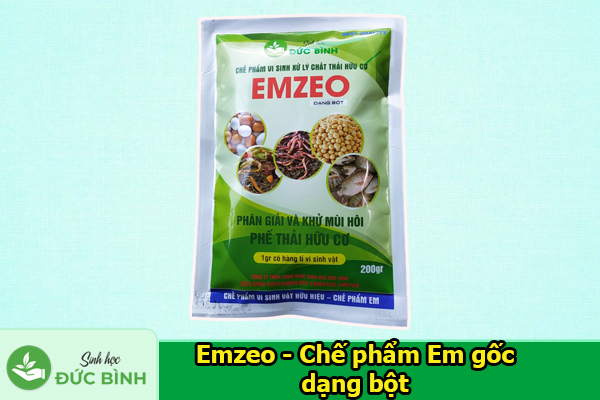
- Emzeo microbial product: 100gr (emzeo decomposes organic potassium from raw materials into free organic potassium, easily absorbed by plants: https://chephamvisinh.vn/che-pham-emzeo/)
- Molasses: About 0.5 liters (you can choose Duc Binh Molasses available at https://chephamvisinh.vn/mat-ri-duong-duc-binh/).
- Clean water: 2 liters

Duc Binh Molasses needs to be used when making organic potassium
4.2 Steps
After preparing the necessary ingredients, let’s get started.
Step 1: Cut the banana stem, banana peel and spinach into small pieces and mix well.
Step 2: Mix molasses and Emzeo product with the just chopped ingredients. Add clean water so that the ingredients reach incubation moisture (50 – 55%)
Step 3: Incubate the above mixture for 2 to 3 weeks before it can be used.
5. Instructions for using organic potassium for some crops
Organic potassium is suitable for use on many types of plants. If supplemented at the right time, the plant will yield high yields and be less affected by adverse factors such as weather and pests. Here are instructions on how to use organic Potassium for common crops:
- Short-term flowering plants: Mix about 20ml to 30ml into 25 liters of water and then spray directly on the plant, keep doing this every 10 to 15 days.
- Perennial industrial plants: Mix about 50ml to 60ml into 25 liters of water and then spray directly on the plants, keep doing this every 30 days.
- Short-term food crops (rice, corn, potatoes,..): Mix about 30ml to 50ml into 25 liters of water and then spray directly on the plants, keep doing this every 15 to 20 days.
- Perennial fruit trees: Mix about 70ml to 80ml into 25 liters of water and then spray directly on the tree, keep doing this every 20 days.
- Short-day flowering plants: Mix about 25ml to 30ml into 25 liters of water and then spray directly on the plant, keep doing this every 7 to 10 days.
Before spraying Potassium on the plant, you need to shake it well. The ideal time to spray is early morning or late afternoon. During the supplementation process, you need to adjust the amount of potassium depending on the plant’s absorption needs and the weather of each season.
From the detailed article above, you can definitely understand exactly what organic potassium is. The advantage of this type of potassium is that it is environmentally friendly and easy to produce from available materials. For plants to grow healthily and yield high yields, add potassium at the right time.
⫸ See more: Revealing how to make GE garlic, chili and ginger quickly and effectively kill pests in the garden
⫸ See more: >What is NPK fertilizer? How to fertilize for high yield?