Aspergillus Oryzae mold is a name that is widely used in production and processing activities but not many people know about them well. This article will give you detailed information about the characteristics and applications of this special type of mold.
What is Aspergillus Oryzae mold?
Aspergillus Oryzae mold is also known as “rice mold”. This is one of the most important mold species in the food and fermentation industry. This mushroom has been used by humans for thousands of years, especially in the traditional food fermentation process of Asian countries such as Japan, Korea and China.
The mold Aspergillus Oryzae has the ability to produce many powerful enzymes. Typical examples include amylase (helps break down starch), protease (break down protein), and lipase (break down fat). The above enzymes help improve the fermentation process, transforming complex organic substances in raw materials into substances that are easily digested and absorbed.

Aspergillus Oryzae mold is also known as rice mold
Not only highly appreciated in the food sector, Aspergillus Oryzae also has great potential in the pharmaceutical industry. They are capable of producing enzymes with high biological value. In addition, this mold is also used in scientific research due to its good growth ability and ease of culture.
Thanks to its safety and effectiveness, the mold Aspergillus Oryzae has become one of the most valuable microorganisms for both industry and scientific research.
Biological and biochemical characteristics of the mold Aspergillus Oryzae
As an important ingredient in the food and fermentation industry, Aspergillus Oryzae mushroom is increasingly interested and learned by many people. Before exploring the application in depth, below are the basic biological and biochemical characteristics of Aspergillus Oryzae that readers should know:
Biological characteristics
Aspergillus Oryzae is a filamentous fungus that grows into long, branched hyphae that form a dense structure. These fungal mycelium have the ability to grow strongly on many types of food surfaces, especially on starchy ingredients such as rice, soybeans and grains.
Aspergillus Oryzae spores usually range in color from yellow to brown, depending on the growing environmental conditions. These spores play an important role in the reproduction process of the fungus, helping it spread and survive in harsh environments. Fungal colonies are usually creamy white or pale yellow, and gradually turn yellow or brown as the spores develop.
Aspergillus Oryzae mold grows strongly in environments with high humidity and suitable temperatures. It prefers temperatures between 30°C and 37°C, which is the ideal temperature range for enzyme growth and production. However, it is capable of tolerating a wide range of temperatures, from about 20°C to 42°C, depending on the type of substrate and culture conditions.
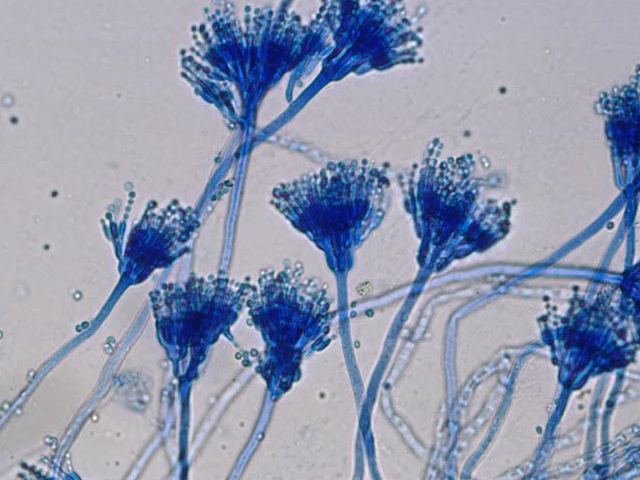
Aspergillus Oryzae is a filamentous fungus, ranging in color from yellow to brown
Biochemical characteristics
Aspergillus Oryzae is notable for its ability to produce a large number of enzymes, mainly hydrolytic enzymes such as amylase, protease, and lipase. These enzymes help break down starches, proteins and lipids, turning them into smaller components that are easier to digest and absorb. Specifically:
- Amylase: Helps break down starch into simple sugars (glucose), this process is very important in the production of sake and soy sauce.
- Protease: Breaks down proteins into amino acids, contributing to the rich flavor of fermented products such as miso and soy sauce.
- Lipase: Breaks down fat into glycerol and fatty acids, helping to enhance the flavor and structure of the product.
In what fields is Aspergillus Oryzae used?
Aspergillus Oryzae mold is widely used in industries, especially food and biotechnology. Typically:
Production of fermented foods and yeast
One of the most prominent and oldest applications of Aspergillus Oryzae fungus is in the food industry, especially in the traditional fermentation process of Asian countries. Some processing fields that apply this fermentation property include:
- Sake production: In the sake making process, Aspergillus Oryzae plays a role in decomposing starch in rice into sugar, which is then converted into alcohol by yeast.
- Soy sauce: This mold helps ferment soybeans, creating soy sauce with a rich flavor and rich nutrients.
- Miso: Miso, or Japanese soybean paste, is produced through fermenting soybeans and rice with the help of Aspergillus Oryzae.
- Amazake: This is a traditional Japanese beverage made from sticky rice fermented with Aspergillus Oryzae fungus.

Mushrooms are commonly used in fermentation and yeast food production technology
Pharmaceutical technology
In the pharmaceutical field, Aspergillus Oryzae also made important contributions. The enzymes produced by these fungi are used to produce pharmaceutical enzymes that help improve digestion or support disease treatment. Specifically:
- Protease and lipase: These enzymes are used in the production of drugs that support digestion, help break down proteins and fats in the human body.
- Biopharmaceutical research: Aspergillus Oryzae is an ideal microorganism in drug and biotherapeutic development studies due to its safety and ease of culture.
Enzyme production
Thanks to its ability to produce powerful enzymes, Aspergillus Oryzae is widely used in the enzyme industry. The enzymes produced by this mold can be applied in many different processes such as:
- Amylase: Used in the production of sugar from starch, widely used in confectionery and beer production.
- Protease: Used to decompose protein, supporting in processed food production and textile industry.
- Lipase: Helps break down fats, used in the production of cooking oil, dairy products and cosmetics.

Mushrooms are widely used in the confectionery and beer industries
Biotechnology and environment
In addition to the food and pharmaceutical industries, Aspergillus Oryzae also has potential applications in biotechnology and the field of environmental protection. Enzymes produced by A. oryzae are capable of decomposing organic substances, helping to treat industrial and biological waste.
- Wastewater treatment: Thanks to its ability to decompose complex organic substances, enzymes from Aspergillus Oryzae are used in biological wastewater treatment processes, helping to clean the environment and reduce pollution.
- Bioenergy production: Enzymes such as amylase and protease can help convert biomass resources into bioenergy, contributing to the development of renewable energy.
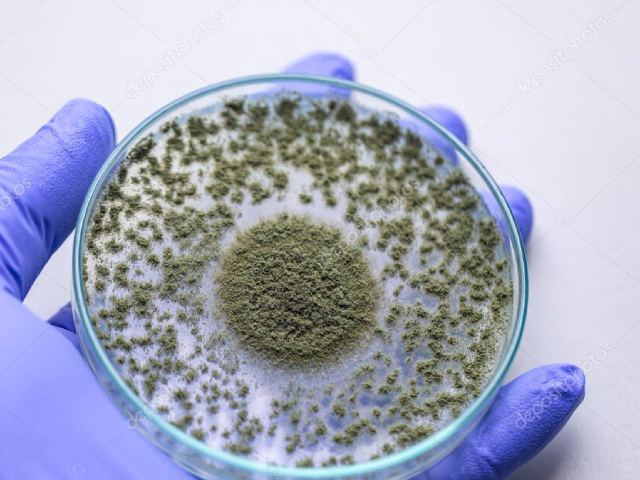
Mushrooms applied in biotechnology and environmental industries
Serves scientific research activities
Aspergillus Oryzae is also an important research subject in the fields of molecular biology and biotechnology. With its powerful enzyme production ability, this mold has become a useful tool in genetic engineering research, recombinant enzyme production, and the development of enzyme therapies.
Thanks to its unique biological properties and flexible application capabilities, Aspergillus Oryzae has become an indispensable microorganism in many industries, from food and pharmaceuticals to biotechnology and environmental protection.
If you are curious to better understand the mold Aspergillus Oryzae in particular and biological products in general, do not hesitate to discover more information at: chephamvisinh.vn
⫸ See more: The importance of applying microbial media in wastewater treatment
⫸ See more: Instructions on how to stimulate shrimp to peel quickly, evenly, and effectively