Mealybugs are one of the most common and dangerous pests for plants. Their attack causes many serious consequences such as wilted plants, yellow leaves, reduced vitality and directly leads to significant yield loss. More worryingly, if not detected and treated promptly, mealybugs have the ability to spread quickly, causing widespread damage. This article aims to provide useful information and comprehensive solutions on how to effectively prevent mealybugs, including biological (natural) and chemical methods, to help readers optimally protect their gardens. me.
1. Identify mealybugs on plants
Mealybugs belong to the Aphididae family with the scientific name Planococcus citr. They are small in size, oval in shape, wingless, with a body about 4mm long, covered with many white or brown wax fibers, and can be observed with the naked eye. Mealybugs mainly live on young parts of plants such as leaves, stems, flower buds, and young fruits.
When mealybugs invade, they use their stinging mouths to suck out sap, weakening the plant and losing its vitality. The tree will begin to show symptoms such as wilting, leaves turning yellow, in areas with a high aphid density, black spots will appear due to mold growth, gradually the tree will dry out and die. Mealybugs often appear in the summer, when the weather is warm and humidity is high. Many studies also show that the cause of mealybugs appearing, attacking and causing epidemics may be:
- Warm weather and high humidity: Mealybugs often thrive in warm climates, especially in the summer. High humidity creates an ideal environment for their proliferation.
- The plant is malnourished: When the plant is lacking nutrients, especially substances necessary for growth such as nitrogen and potassium, the reduced resistance will create conditions for mealybugs to penetrate and suck the sap of the plant.
- Inadequate hygiene and tree care: The garden is not cleaned, there is a lot of organic and household waste, and dead animals and plants that remain for a long time can become an ideal shelter for mealybugs.
- Lack of natural enemies: Ecological imbalance, in the absence of natural enemies such as ladybugs or parasitic wasps, can lead to an increase in mealybug populations.

Mealybugs cause serious consequences for crop productivity
2. Quick and effective ways to treat mealybugs
To protect plants from mealybugs, quick and timely treatment measures are needed. Depending on the nature of the crop, land area as well as farming direction, farmers can consider between chemical and natural methods.
Use dishwashing liquid
One of the economical, effective and easy methods to control mealybugs shared by many farmers is using dishwashing liquid. This formula only applies to indoor plants, small areas of about 10 – 15m2 and the aphid situation is not too serious.
Ingredients for preparation
- 1 – 3 tablespoons dishwashing liquid
- 1 liter of water
- Aerosol
- Gloves
How to do it
- Step 1: Pour 1 – 3 tablespoons of dishwashing liquid into a large bowl, then add 2 liters of water and stir well.
- Step 2: Pour the dishwashing liquid mixture into the spray bottle. It is recommended to install a small filter in the spray bottle so that the solution comes out more evenly and is not blocked by foam.
- Step 3: Spray the mixture evenly on all parts of the plant, especially areas where mealybugs are concentrated, such as the underside of leaves and stems. Make sure to cover it so that the dishwashing liquid has maximum contact with the bedbugs.
- Step 4: Leave the solution for about 1 – 2 hours, you can use a dryer to dry the leaves and use a damp cloth to wipe off the spray solution. After 5 – 7 days, check again for aphids, need to repeat 2 – 3 times to eradicate mealybugs completely.
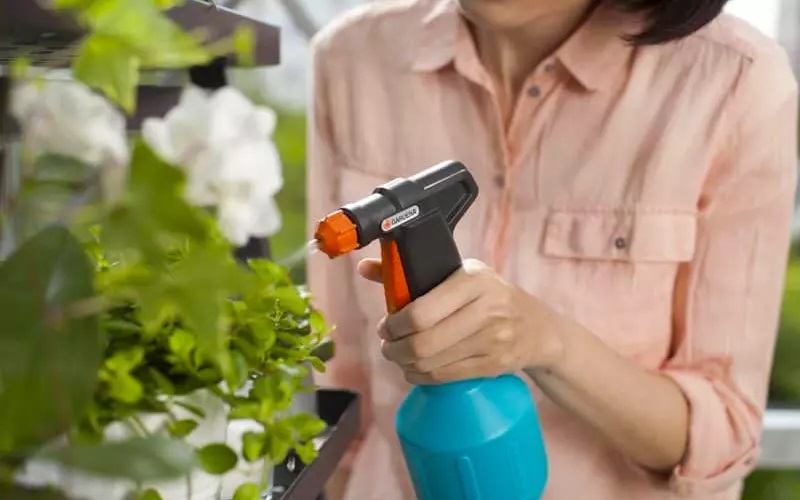
Dishwashing liquid kills mealybugs by clogging their airways
How to treat mealybugs with essential oils
Common essential oils used include peppermint, tea tree and especially Neem oil. The natural compounds contained in these essential oils work by penetrating the mealybug’s body, inhibiting the nervous system or blocking the respiratory tract, leading to their destruction. At the same time, using essential oils also contributes to improving the ecological environment for plants in a safer and more friendly way.
Ingredients for preparation
- Essential oil (peppermint, tea tree or neem)
- Water
- Aerosol
How to do it
- Step 1: Mix 10-15 drops of essential oil with 1 liter of water, you can add 1 tablespoon of dishwashing liquid to help the essential oil dissolve better in water. Close the spray bottle cap and shake well to mix the ingredients together.
- Step 2: Spray evenly on all parts of the plant, paying attention to areas with mealybugs, making sure to cover both the top and bottom of the leaves.
- Step 3: Should be sprayed on cool days, avoid spraying in the hot noon sun, which affects air quality and reduces the effectiveness of the solution. After 5 days, check for bed bugs and repeat the process if necessary.

Using essential oils to treat mealybugs is a safe and effective method
Specialized pesticides
With large crop areas and aphids spreading over a large area, mainly perennial industrial crops, treating mealybugs with natural methods is almost ineffective. In this case, experts recommend using professional pesticides such as Pyriproxyfen, Imidacloprid or Acetamiprid, etc. Most of these drugs have a strong impact on the insect’s nervous system, causing airway obstruction and widespread destruction. To use it effectively, you can follow these steps:
- Step 1: Read the instructions for use on the medicine packaging carefully to know the appropriate dosage and preparation method. Make sure to prepare adequate spray equipment, gloves, and masks to ensure work safety.
- Step 2: According to the instructions on the package, prepare the medicine with the appropriate amount of water. For liquid medicine, there will usually be a mixing ratio of 1:10 (1 part medicine to 10 parts water), stir well until the medicine is completely dissolved.
- Step 3: Spray the entire plant, paying attention to plants and areas with high mealybug densities. Prioritize spraying on dry days, spraying in the early morning or evening for the most effective results. After about 5-7 days, check the condition again and repeat at least once to ensure complete destruction of mealybugs.
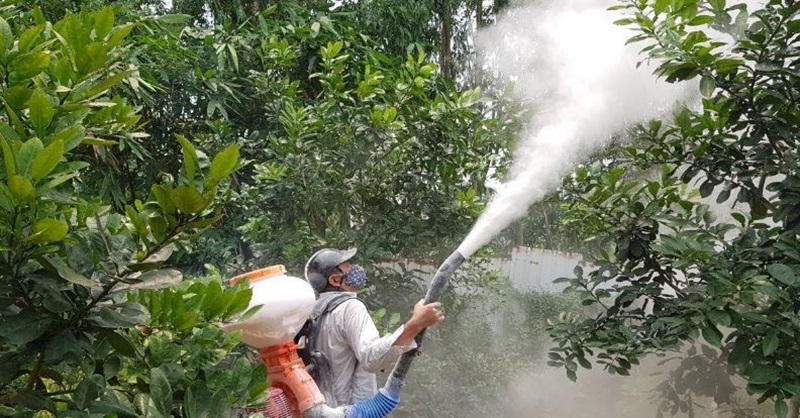
Specialized pesticides are an effective and necessary solution in controlling mealybugs
How to treat mealybugs with biological products
Despite its strong effectiveness, using pesticides often causes hesitation among growers due to potential risks to health and crops. That is why biological products with the main source of natural ingredients have been born to be both an effective way to treat mealybugs and safe for health and the environment.
Currently on the market, preparations containing Bacillus thuringiensis (Bt) are one of the most popular choices. Bacillus thuringiensis is a type of bacteria that can produce toxins that kill some insects when they eat them. To do this, you just need to mix the medicine according to the instructions on the package, spray it directly on the plant, paying attention to areas with a high density of mealybugs. In addition, you can refer to preparations from Trichoderma harzianum, Beauveria bassiana, or Paecilomyces lilacinus mushroom,… which also show clear results
>
>
3. Biological Control Using Natural Enemies (Sustainable Measures)
An effective integrated pest management (IPM) strategy is to increase the use of natural enemies to control mealybugs. This is a sustainable method, not harmful to the environment or human health.
- Ladybugs: This is the most famous natural enemy, both adult ladybugs and larvae eat mealybugs.
- Parasitic Wasps: These small wasps lay eggs in the body of mealybugs. The hatched larvae will eat the aphids from the inside, causing the mealybugs to “mummify” into a brown or light yellow color.
- Aphid-eating flies (Aphidoletes aphidimyza): Their larvae are active predators, able to destroy large numbers of mealybugs.
Encouraging or releasing these natural enemies into the garden helps maintain a natural balance, reducing mealybug density in a long-term way.
4. Measures to Prevent Mealybugs
Prevention is always more important than cure. Applying preventative measures helps minimize the possibility of mealybugs appearing and spreading:
- Clean the garden regularly: Remove weeds, dry leaves, and organic waste that are ideal habitats for mealybugs and ants (often symbiotic with aphids).
- Check plants periodically: Regularly check the undersides of leaves and young shoots, especially during the warm season, to detect mealybugs early. If detected, remove by using a strong spray of water or wiping with cotton soaked in alcohol.
- Proper nutritional management: Provide complete and balanced nutrition, avoid over-fertilizing with Nitrogen as this can create soft shoots that are more attractive to mealybugs. Increase potassium to help plants increase resistance.
- Use insect screens: For high-value greenhouses or gardens, using insect screens can prevent mealybugs from entering from the outside.
Treatment of mealybugs is a necessary task to protect and improve crop productivity. By applying the above mealybug treatment methods, you can certainly control the mealybug situation more effectively. For more detailed information on how to care for plants and supporting products, please visit the website chephamvisinh.vn. We are committed to providing you with the most effective solutions in taking care of your entire agricultural area.
>
⫸ See more: Causes of soft rot disease on orchids and effective treatment rooms fruit
>
Contact information
Duc Binh Biotechnology Company Limited
MST: 0108433217
Address: 57 Lane 64 Kim Giang, Khuong Dinh, Hanoi
Phone number: 024.66.55.46.86
Transaction office
Duc Binh Microbial Products – Center for Research and Application of Biological Products specializes in research, production and application of product lines: Probiotics, septic tank yeast, wastewater treatment yeast, aquatic yeast, biological products…
Address : 1B Alley 774 Kim Giang, Thanh Liet, Hanoi
Phone number: 0934.214.579
Hotline: 024.66.55.46.86
Email: chephamvisinhungdung@gmail.com
Website:https://chephamvisinh.vn