With high nitrogen content, nitrogen fertilizer helps plants grow quickly, grow strongly and improve productivity. However, for nitrogen fertilizer to be maximally effective, farmers need to master how to use it for each type of crop and soil conditions.
In this article, we will learn about this nutrient-rich fertilizer. At the same time, we will explore the role of organic fish protein and organic fish protein fertilizer, how to use nitrogen fertilizer. It can be said that this is one of the potential organic fertilizer products in the current sustainable farming trend. So “What is nitrogen fertilizer? Uses & how to use it effectively for plants?” will be shared in detail through the article.
1. What is nitrogen fertilizer?
Nitrogen fertilizer is an inorganic fertilizer that provides the nutritional element nitrogen (nitrogen – N) to plants, stimulating the growth of strong stems, leaves, and branches. Nitrogen fertilizer is one of the most important and commonly used fertilizers in farming.

Nitrogen fertilizers are divided into many types and are suitable for each type of crop
Main ingredients of nitrogen fertilizer: Contains nitrogen in different chemical forms: urea, ammonium, nitrate …
⫸ See more: What is chemical fertilizer? How to use safely and effectively for plants
2. Classification of nitrogen fertilizers
Nitrogen fertilizer has the main ingredient nitrogen (N), which plays an extremely important role in the photosynthesis process, helping plants stay green and grow strongly. Nitrogen fertilizer not only provides nutrition but also directly affects the productivity and quality of agricultural products. There are three main types of nitrogen fertilizer:
- Ammonium nitrogen (NH4+): Ammonium protein is a positively charged ion (NH₄⁺) and is one of the forms of nitrogen most favored by plants. They can be found in fertilizers such as ammonium sulfate, ammonium nitrate and some organic fertilizers.
- Nitrate nitrogen (NO3-): Nitrate nitrogen (NO₃⁻) has the ability to dissolve quickly in water and provide nitrogen immediately to plants. Nitrate helps stimulate leaf and stem growth, while improving photosynthesis, thereby improving productivity and quality of agricultural products.
- Urea nitrogen (NH2CONH2): Is the most popular nitrogen fertilizer today, with very high nitrogen content (46%). Urea protein is easily soluble in water, allowing plants to absorb it quickly and effectively. When fertilized, urea nitrogen is converted into nitrate and ammonium in the soil, providing essential nutrients for plants.
- Organic protein: Organic protein is made from natural sources such as manure, green manure, fish, etc. They not only help plants grow healthily, but also improve soil structure and fertility, increase water holding capacity and support beneficial microbial activity.
3. Effects of nitrogen fertilizer on plants
Nitrogen fertilizer plays an essential role in many biological processes of plants. Many studies have shown the effects of this group of compounds on plants, specifically as follows:
- Stimulate growth: One of the obvious effects of nitrogen fertilizer is to promote the growth of stems, leaves, branches and root systems. An increase in leaf area helps the plant photosynthesize more efficiently, while a healthy root system allows the plant to better absorb water and nutrients from the soil. As a result, plants can grow strongly, producing more flowers, fruits and tubers, thereby improving product yields.
- Improve the quality of agricultural products: Nitrogen is the main component of protein and amino acids, helping to enhance the nutritional quality of plants, especially in foods such as beans, grains and green vegetables.
- Photosynthesis: Photosynthesis produces glucose and other carbohydrates, which are a source of energy and nutrients for plants. Nitrogen fertilizer plays an important role in improving the photosynthetic ability of plants. Providing enough nitrogen helps plants grow healthily, optimize photosynthesis, thereby improving productivity and product quality. Using nitrogen fertilizer properly will ensure that plants have enough energy and nutrients needed for sustainable growth.
- Disease resistance: Nitrogen fertilizer stimulates plants to produce compounds such as phytoalexins that protect plants from attacks by bacteria and fungi. In addition, nitrogen fertilizer also provides enough nitrogen to help plants produce antioxidants and proteins related to immunity, enhancing their ability to fight pathogens.

Nitrogen fertilizer plays an important role in stimulating plant growth: development, stems, leaves, branches
4. How to use nitrogen fertilizer effectively
For plants to absorb maximum nutrients from nitrogen fertilizer, in addition to fertilizing at the right time, correct dosage then people need to pay attention to fertilization methods. Proper nitrogen fertilization not only improves fertilizer use efficiency but also helps protect the health of plants and consumers.
4.1 Fertilizing whole grains:
- Using whole grain nitrogen fertilizer is especially suitable for fruit trees and woody plants, helping to save time and effort for farmers.
- Depending on the nature of the soil as well as the growth characteristics of the plant, choose the appropriate nitrogen fertilizer, giving priority to soluble nitrogen.
- Dig a trench and create a basin around the base of the tree, about 10 – 12cm from the base.
- Sprinkle nitrogen fertilizer into the grooves and holes created, paying attention to enough nitrogen to avoid causing root burn, especially for seedlings.
- If it does not rain, you need to water the plants evenly right after sprinkling fertilizer. Nitrogen fertilizer will dissolve and absorb into the soil when it meets water, helping plants easily absorb and metabolize nutrients.
4.2 Fertilizing with soluble nitrogen fertilizer
- Using nitrogen fertilizer in the form of foliar irrigation is one of the effective ways to help plants easily absorb nutrients.
- Water the entire crop area with an irrigation system before spraying nitrogen, to ensure the soil has enough moisture to not cause root burn. Especially with types of plants with cluster root systems and short-term cultivated plants.
- Soak 1 kg of soluble nitrogen fertilizer in 200 liters of water for about 5 minutes. Be sure to mix according to the ratio recommended by the manufacturer or advised by experts. Using too much nitrogen will cause residue on the leaves, leading to leaf burn and branch death.
- Soluble nitrogen fertilizer should be watered in the early morning or late afternoon to optimize plant absorption.

Prioritize nitrogen fertilization by spreading seeds or foliar irrigation
5. Organic fish protein – Sustainable solution for agriculture
In the context of modern agriculture, finding effective and sustainable crop nutrition solutions is becoming increasingly important. Organic fish protein has become an ideal choice, providing rich nutrition for plants and at the same time protecting the environment.
- Nutritious ingredients: Fish protein contains many amino acids, vitamins and minerals, which are essential for plant growth. Components such as nitrogen, phosphorus and potassium in fish protein not only help plants grow strongly but also improve their ability to absorb other nutrients.
- Environmental protection: Organic fish protein is a natural product, easily decomposed and does not pollute the environment. Using fish protein not only helps reduce the amount of chemical fertilizer, but also contributes to protecting soil and water quality. This is very important in building sustainable agriculture, ensuring the long-term development of natural resources.
- Cost savings: Using organic fish protein not only benefits crops but also helps farmers save on production costs. Using natural products can reduce the cost of chemical fertilizers, while improving productivity, helping farmers increase their income.
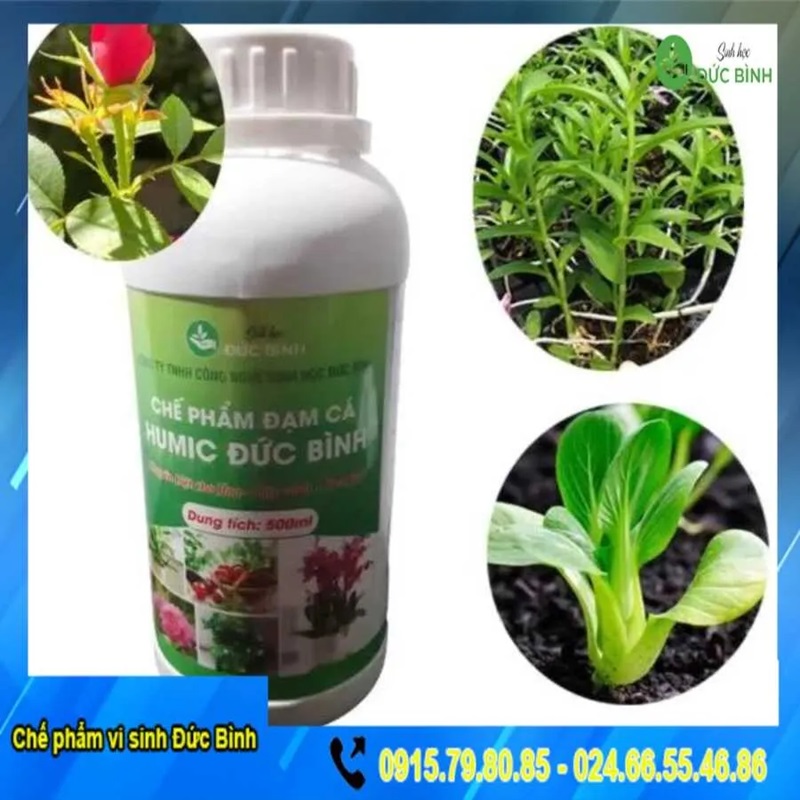
Organic fish protein is a sustainable solution for modern agriculture, delivering multidimensional benefits. Humic fish protein Duc Binh
⫸ See more: How to fertilize fish protein without odor effectively make fish fertilizer for watering plants fruit
⫸ See more: Emzeo fish fermentation yeast is the most effective incubation and deodorizing of fish protein today!
6. Some notes when using nitrogen fertilizer.
With the above analysis, we see that nitrogen is a very necessary fertilizer for plants. In addition to technical requirements, when using, people still need to pay attention to the following issues:
- Nitrogen fertilizers need to be stored in sealed plastic bags to prevent moisture and avoid loss of quality. Furthermore, storage needs to be in a dry, cool and covered place to avoid rainwater entering and causing damage.
- Absolutely do not mix nitrogen fertilizer with other types of fertilizer. Because, when they come into contact, a chemical reaction will occur. This is undesirable because the quality of fertilizer will decrease and affect the family’s fertilizer storage.
- In fact, there are some plants that need a lot of Nitrogen, but there are also plants that only need a small amount. Therefore, nitrogen fertilization should not be excessive because it will affect plant growth. As a result, the tree easily falls, reduces its disease resistance and can also pollute the environment… Fertilize with the right dosage at the right time to achieve the highest efficiency and avoid harm to the tree.
- With some legumes, applying nitrogen fertilizer before roots are formed will cause nodules. Bacteria will attack through those nodules, causing disease in the plant.
- Suitable for each type of plant: Different types of plants will have different nitrogen needs.
- Nitrogen fertilizers can acidify the soil, so it is necessary to fertilize with lime or phosphate fertilizers in acidic soil areas.
7. Some principles need to be followed when applying nitrogen fertilizer.
- With alkaline fertilizers, people should prioritize fertilizing acidic soils to neutralize the acid and improve soil quality.
- Physically acidic fertilizers such as ammonium sulfate will be suitable for alkaline soils.
- For muddy, muddy soils, it is best not to fertilize with nitrogen fertilizer. Because this type of soil has enough natural nitrogen sources.
- Absolutely do not apply nitrogen fertilizer in bad weather conditions. Specifically, it is raining heavily or the fields and gardens are flooded. Because when fertilized, fertilizer is easily washed away and the efficiency of use will not be high, causing environmental pollution.
- When applying nitrogen fertilizer, it is necessary to apply nitrogen fertilizer at the right time when the plant is in the period of maximum absorption of fertilizer. Choosing the right time to fertilize will avoid waste and damage to plants.
- Nitrogen fertilizer should be applied in appropriate doses, not too little or too much. Avoid over-fertilizing because the plant will grow too much, easily fall over, have less fruit, fewer flowers, reduce plant quality and be susceptible to pests.
- For nitrogen fertilizer to be highly effective, farmers should combine it with some other types of fertilizers such as phosphate and potassium fertilizers so that plants are fully supplied with nutrients.
- Note that fertilizing should not be concentrated at one time, but should be divided into several times so that the plant can slowly absorb it, avoiding waste.
- Fertilization needs to be combined with weeding, tilling the soil… to increase the mixture of the fertilizer and bring about the best absorption efficiency.
Proper use of nitrogen fertilizer is essential to achieve high efficiency in the farming process and protect the environment. In particular, organic fish protein and organic fish protein fertilizer are gradually becoming the preferred choice of many farmers thanks to their outstanding benefits in terms of nutrition and sustainability. For more information about fertilizers, farming techniques and other microbial products, visit the website chephamvisinh.vn.
⫸ See more: How to water phosphorus plants effectively and when is a good time to fertilize phosphorus most
⫸ See more: 10 roles of organic and inorganic fertilizers with plants
Contact information
Duc Binh Microbial Products – Center for Research and Application of Biological Products specializes in research, production and application of product lines: Probiotics, septic tank yeast, wastewater treatment yeast, aquatic yeast, biological products…
Address : 1B Alley 774 Kim Giang, Thanh Liet, Hanoi
Phone number: 0934.214.579
Hotline: 024.66.55.46.86
Email: chephamvisinhungdung@gmail.com
Website: https://chephamvisinh.vn