Microbiological fertilizer is currently the top choice of people in agricultural production. With ingredients of natural origin, the product not only provides macro, secondary, and micronutrients for plants and soil but is also environmentally friendly. If you want to know more about microbial organic fertilizer and proper, simple, easy-to-make process of producing microbial fertilizer please refer to the article that Duc Binh microbiological products shared below

Microbial fertilizers are currently the top choice in modern agriculture
1. Concept of fertilizer?
Fertilizer is a source of additional nutrients necessary nutrients for plants. Fertilizer contains many important ingredients such as: nitrogen (N), phosphorus (P), potassium (K) and other trace elements: iron, magnesium, calcium, sulfur, zinc, copper, boron,… Thanks to fertilizers, the agricultural industry can promote increased intensification crops, improve productivity, crop quality, improve soil fertility.
Read now: What is microbial fertilizer? Features, uses & How to use it effectively?
2. Definition of microbial organic fertilizer
Microbiological organic fertilizer is a type of organic fertilizer created by mixing one or more natural ingredients with microbial products. Currently, microbial organic fertilizers are divided into many types depending on the purpose of use. Microorganisms are often combined together to create multifunctional fertilizers that both help protect plants and add nutrients to plants and soil.
Serious harm caused by the past abuse of chemical fertilizers has caused many people to switch to using bio-organic fertilizers. Compared to chemical fertilizers, the biofertilizer production process has some disadvantages but is safe for users, contributes to environmental protection, and promotes sustainable development of the agricultural industry.

Definition of microbial organic fertilizer
3. Classification of microbial organic fertilizer
Different strains of microorganisms are used for different purposes in agriculture. Based on ingredients, uses, features, biological fertilizers are divided into the following types:
3.1 Microbial organic fertilizer plays a role in nitrogen fixation
Nitrogen-fixing fertilizers have the ability to fix nitrogen in the air into a form that plants can absorb. It is likened to a nitrogen factory that helps plants grow healthily.
Microbiological fertilizers are a source of essential nutrients for plants. Each type of microorganism has a different nitrogen fixation function, but all aim to promote plant growth and bring high productivity.
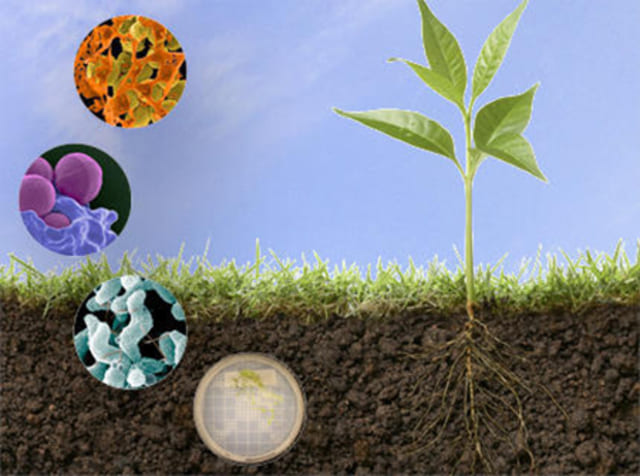
The role of nitrogen fixation of bacteria in nitrogen-fixing microbial fertilizer
⫸ See more: What is nitrogen-fixing microbial fertilizer? Classification, uses and usage
3.2 Microbial organic fertilizer converts and decomposes phosphorus
Is a group of organic fertilizers containing microorganisms capable of decomposing phosphorus. In the environment, phosphorus exists in an insoluble form so plants cannot absorb it immediately. They need to be converted into a soluble form that is easily absorbed by plant roots.
Cooperative mechanism of action between microorganisms helps break phosphate bonds. Microorganisms that metabolize and degrade phosphorus are very important for plants.
Phosphorus is known to participate in the formation of cell membranes, promoting fruit ripening and helping roots grow faster. But in normal form, it is very difficult for plants to absorb.

Classification of microbial organic fertilizer
If left naturally, the phosphorus absorption efficiency of plants is only about 25%, this is a very low number. Therefore, plants will grow more slowly than when using biological fertilizers that dissolve phosphate. Furthermore, the biofertilizer production process will take less time than manual care, so it is increasingly widely applied. In addition, using fertilizer properly also helps increase the ability to resist the environment and pests.
⫸ See more: Phosphorus-converting microbial fertilizer is what?
⫸ See more: What is organic fertilizer? How to make organic fertilizer for plants right at home
3.3 Microbial organic fertilizer regulates and stimulates plant growth
This is a fertilizer that has a general effect on plants. The product when used helps plants grow and develop well, enhancing their resistance to pests and diseases. In addition, organic microbial fertilizer also promotes root development, seed germination, and regulates metabolism. Microbial fermentation is often applied to selected bacteria, actinomycetes and fungi.
3.4 Microbial organic fertilizer decomposes organic compounds and humus
Good soil environmental conditions will help plants grow well and increase yields, reducing costs and care time. This type of fertilizer, when used, will increase soil fertility. This helps the soil become more aerated, creating conditions for other beneficial microorganisms to grow and develop for plants.
⫸ See more: Microbiological fertilizer decomposes organic matter What is it?
3.5 Microbial organic fertilizer inhibits the activity of harmful microorganisms
This is an outstanding use of microbial fertilizer. Thanks to ‘s ability to inhibit and inhibit the growth of harmful microorganisms, it greatly reduces risks to plants. Therefore, instead of overusing chemical fertilizers that accidentally kill beneficial microorganisms, people should prioritize using microbial fertilizers to protect plants and the living environment.
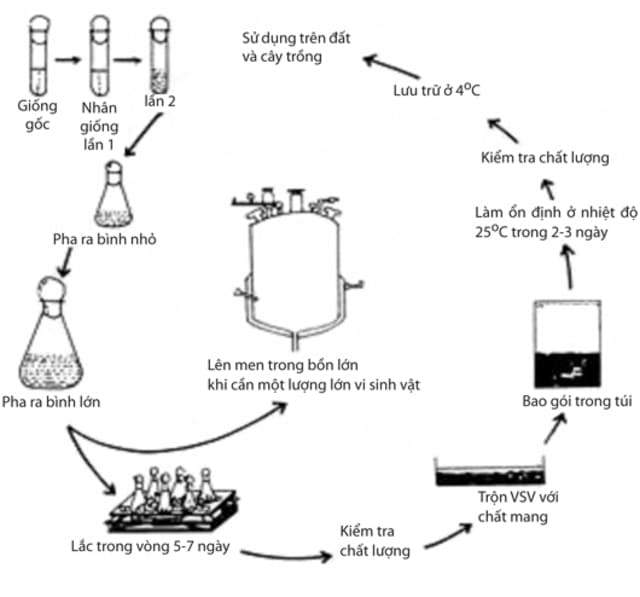
How to produce biofertilizer
4. How to produce microbial fertilizer?
Microbiological fertilizer is a preparation containing one or more strains of living microorganisms that can be used on selected crops. Bringing fertilizer to the soil will increase microbial activity, provide growth regulators, enzymes and vitamins that are beneficial for metabolism, create resistance, and help plants resist pests… By using microbial fertilizer, soil fertility is also significantly improved.
Currently on the market there are many types of biological fertilizers with different production processes. The density of beneficial microorganisms in microbial fertilizer is divided into two types:
- Microbial fertilizer has a high density of useful microorganisms (over 108 cells / g) and low impurities due to the carrier being pasteurized.
- Microbial fertilizers have a low density of useful microorganisms (106-107 cells / g) and a high impurity content due to the unsterilized carrier matrix.
5. Microbial fertilizer production process
The biofertilizer production process is divided into two main stages:
Phase 1
Generates raw materials for production, also known as carriers. The process of producing microbial fertilizer in this stage is as follows: The carrier used is inorganic compounds (phosphate powder, apatite powder, bone powder, oyster powder…) or organic substances (peat, mushroom residue, agricultural waste, garbage…).
The carrier is cultured anaerobically or aerobically to partially destroy microbial impurities and eggs. To evaporate volatile compounds and decompose a small portion of insoluble organic matter.
Phase 2
Inoculate raw materials on pure microorganisms under certain conditions to achieve high efficiency. Although microorganisms are very small, under favorable conditions: with enough nutrients, they grow extremely quickly (multiplication factor is only 2-3 hours). Specifically, at the appropriate pH, carbon dioxide and optimal environmental temperature.
On the contrary, in adverse conditions, they will not grow or be destroyed, leading to less effective fertilizer. To make widely used microbial fertilizers, people often choose microbial strains with wide adaptability or use multiple strains in the same fertilizer. The method of producing microbial fertilizer is very simple.

Steps of the biofertilizer production process
In which the steps of each stage are as follows:
Preparation of microbial strains: microorganisms are propagated many times and cultured by shaking a small flask (speed 200 rpm). Do this for 5 – 7 days or in a large tank with continuous stirring. Once the desired number of microorganisms has been achieved, people use it immediately to avoid the amount of microorganisms gradually decreasing.
Prepare the carrier: peat, sand, manure and soil can also be used as a carrier. The carrier must have a high organic content, contain no toxic chemicals, have a water holding capacity of over 50%, and easily decompose in the soil.
Mixing of carrier and microorganisms: microorganisms are mixed by hand (wearing sterile gloves) or with a mixer. The product is packaged in a plastic bag, sealed. The bag needs to be stable at room temperature for 2-3 days for monitoring before it can be stored at 40°C.
6. Benefits of applying biological fertilizer production process
After answering aboutthe process of producing biofertilizer, we invite you to learn about the benefits of this type of fertilizer.
Helps save costs. Animal waste can be used to make compost as fertilizer for plants. Instead of wasting money on pesticides, it’s better not to overuse them.
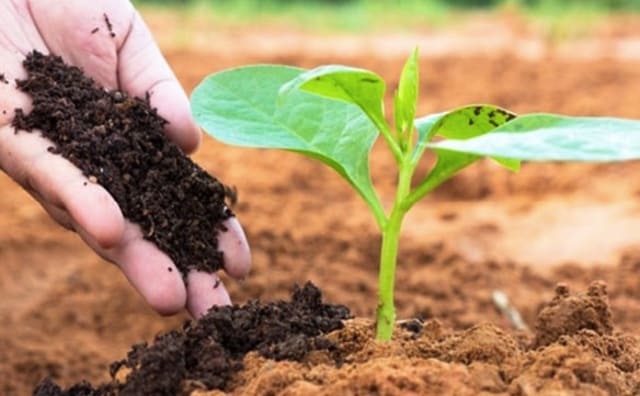
Some benefits biological fertilizer
- Helps plants grow well and achieve high yields. Thanks to the standard biological fertilizer production process, the product is able to provide adequate nutrients and minerals for plants, increasing their resistance to pests and diseases.
- Helps improve soil: Chemical fertilizers will destroy the soil environment while organic fertilizers will be a source of nutrients. It also helps the soil become loose and airy so plants can absorb nutrients effectively. Microbial fertilizer will create conditions for beneficial microorganisms to thrive before disease outbreaks. If chemical drugs are used, the ecosystem will be seriously damaged.
- Help protect the environment: Experts recommend people to carry out the process of producing biofertilizers and use biofertilizers instead of chemical fertilizers to protect the environment.
- Helps improve human health: Using microbial fertilizers, farmers do not worry about pesticide residues like using chemical fertilizers. Consumers will feel safer and agricultural products will be more valuable. The abuse of chemical drugs has caused many people to switch to growing their own “clean” vegetables for family use instead of buying them at the market or in stores.
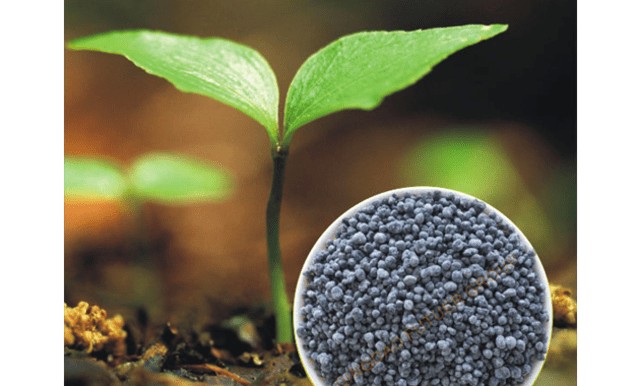
Benefits of applying biofertilizer production process
7. Some notes when using microbial organic fertilizer
Microbiological organic fertilizer is safe, benign, environmentally friendly, and does not contain toxic substances. However, that is not why people abuse it. Fertilizing at the right dose, at the right time, with the right type of fertilizer, suitable for the plant characteristics is extremely necessary. Here are some notes people need to keep in mind:
- If green manure and manure are not decomposed, you should not fertilize plants, especially short-term vegetable crops. The reason is because unrotted manure will acidify the soil, pathogens have not been thoroughly treated, so when fertilized, it can spread diseases to plants.
- Vermicompost is disease-free so people can feel secure using it directly for plants.
- If chemical fertilizers work quickly but are not sustainable, then microbial organic fertilizers work slowly but are effective in the long term. Therefore, we need to have an early fertilization plan (Basic Fertilization) for the plants to absorb and grow. Particularly for fruit trees, immediately after cutting
Hopefully with the above sharing, people will know clearly about the uses of microbial fertilizer and the production process of this useful fertilizer line. Using biofertilizers is the right direction to contribute to the development of sustainable agriculture for the health of the whole community. If you still have questions, please visit: https://chephamvisanh.vn/ for advice question.
⫸ See more: What is decomposed manure? How to do it?
⫸ See more: How to compost chicken manure quickly fertilizer
⫸ See more: Foliar fertilizer is what? The role of foliar fertilizer
Contact information
Duc Binh Biotechnology Company Limited
MST: 0108433217
Address: 57 Lane 64 Kim Giang, Khuong Dinh, Hanoi
Phone number: 024.66.55.46.86
Transaction office
Duc Binh Microbial Products – Center for Research and Application of Biological Products specializes in research, production and application of product lines: Probiotics, septic tank yeast, wastewater treatment yeast, aquatic yeast, biological products…
Address : 1B Alley 774 Kim Giang, Thanh Liet, Hanoi
Phone number: 0934.214.579
Hotline: 024.66.55.46.86
Email: chephamvisinhungdung@gmail.com
Website:https://chephamvisinh.vn