
The biological waste composting method is the optimal solution to help Treat all types of waste from daily life and production effectively. This method is not only environmentally friendly and cost-effective, but also creates finished products for reuse for agricultural production. The article below will give you a detailed perspective on biological composting methods.
1. What is the method of composting biological waste?
Biocomposting (or composting) is a popular method, useful but not everyone understands. This is a biodegradation process, operating based on the aerobic decomposition of microorganisms. The process that depends on the impact of factors such as:
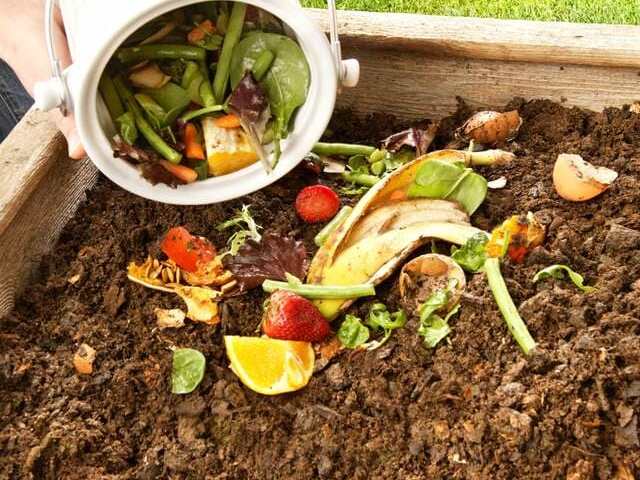
Biological waste composting is also known as organic composting
- Decomposing microorganisms: Bacteria, fungi and other small organisms participate in the decomposition of organic compounds. They are most active when provided with enough oxygen.
- Oxygen: Aerobic decomposition requires a steady supply of oxygen for microorganisms to function effectively. Lack of oxygen will cause the composting process to stagnate and instead switch to anaerobic decomposition, causing an unpleasant odor.
- Humidity: Humidity plays an important role in maintaining the life and activity of microorganisms. Too little water will slow the decomposition process, while too much water will trap oxygen and cause anaerobic decomposition.
- Temperature: The temperature of the compost pile will increase due to the decomposition activity of microorganisms. When the temperature reaches about 50-60°C, microorganisms work most effectively, helping to destroy pathogens and weed seeds.
2. Evaluate the advantages and disadvantages of the biological method of composting waste
Composting biowaste is not a comprehensive method. This method has outstanding advantages but still has certain limitations. However, compared to traditional waste treatment methods, the biological waste composting model is a big step forward. Here are the specific advantages and disadvantages:
2.1 About advantages
The biological waste composting method possesses many outstanding benefits, not only environmental but also economic. These include:
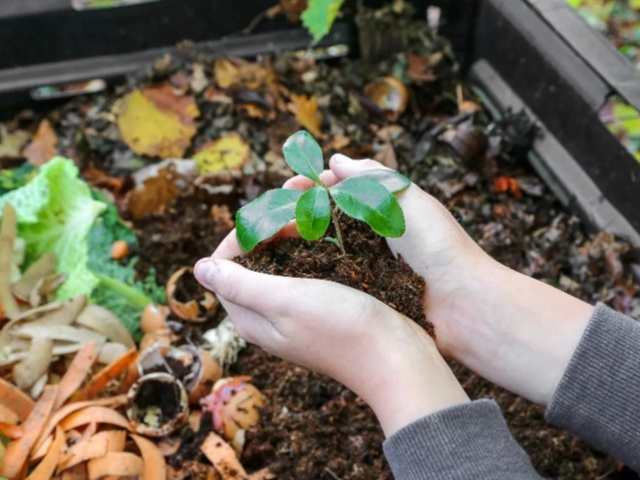
Method Environmentally friendly, cost-effective method of composting biological waste
- Significantly reduces waste load: One of the biggest advantages of composting biological waste is that helps significantly reduce the amount of organic waste sent to landfills. This saves landfill space, reduces soil and groundwater pollution, and prevents the production of greenhouse gases such as methane from anaerobic digestion.
- Fertilizer production: Composting biological waste creates natural fertilizer containing high levels of nutrients that are good for plants. Organic fertilizers also help improve soil structure and increase crop productivity without using chemical fertilizers.
- Cost savings: For families or small agricultural establishments, composting biological waste can save on waste treatment costs and buying fertilizer. Instead of having to spend money on garbage collection and buying commercial fertilizers, users can take advantage of organic waste products to create fertilizer for their crops.
- Environmental protection: Bio-waste composting method helps reduce greenhouse gas emissions and protect the natural environment, promotes beneficial microorganisms in the soil activity, maintaining ecological balance.
2.2 About disadvantages
Despite bringing many benefits but the biological waste composting method still has some limitations that you need to pay attention to:
- Need space and time: The composting process of biowaste takes a long time to complete, usually lasting from several weeks to several months depending on the type of waste and environmental conditions. Furthermore, this method requires space for composting, which can be difficult for households living in urban areas with limited space.
- Easy to produce unpleasant odors: If humidity and air are not controlled, the composting process can generate bad odors. This not only affects the family’s quality of life but can also affect surrounding households.
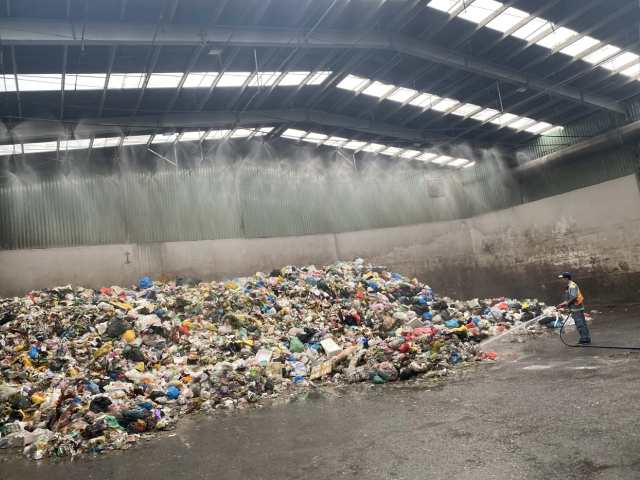
Easy to appear bad smell when composting incubation
- High requirements for specialized knowledge: Composting biological waste requires knowledge and techniques to ensure the decomposition process takes place properly. The operator needs to know how to maintain temperature, humidity and provide enough air for microorganisms to function. Otherwise, the process may slow down or fail.
- Not suitable for all types of organic waste: Not all types of organic waste can be composted. Some types of waste such as meat, fish, or dairy products easily attract insects, causing strong odors and reducing composting efficiency.
3. Steps to treat waste using biological methods
To compost biological waste effectively, people need to properly handle waste and follow the following process:
- Waste classification: Collect and then classify organic waste: Leaves, leftover food, animal feces… Remember to remove non-biodegradable components such as: Glass, metal or plastic.
- Preliminary treatment: We crush organic waste or shred it to increase the contact area when composting, accelerating the decomposition process. At this stage, people remember to adjust humidity and temperature to suit the activity of microorganisms.
- Conduct composting or produce biogas
- Recall of organic fertilizer used as fertilizer for plants
- Finally, any waste that cannot be decomposed by biological composting will be processed by other methods or buried in a suitable location. Note, wastewater from the composting process must be treated before being discharged into the outside environment.
4. What steps does the biological waste composting process include?
The biological waste composting process needs to be carried out with proper techniques and complete steps to achieve the best results. Below are detailed steps you can refer to and follow:
Step 1: Prepare compost ingredients
To start the composting process, you need to prepare the following ingredients:
- Organic waste: This is the main component, including leftover food, spoiled vegetables, leaves, and grass clippings. You should be careful not to put animal waste or toxic waste into the compost.
- Filler: Filler can be straw, dry leaves or paper. They help provide oxygen and retain moisture during incubation.
- Water: Humidity is an important factor in the incubation process. You need to make sure the ingredients stay moist but not soaking wet.
- Probiotics:Trichoderma mushroom, composted emzeo preparation, biological products em …
>
Step 2: Compost biological waste
After preparing the ingredients, we can proceed with composting. Below is the sequence of steps:
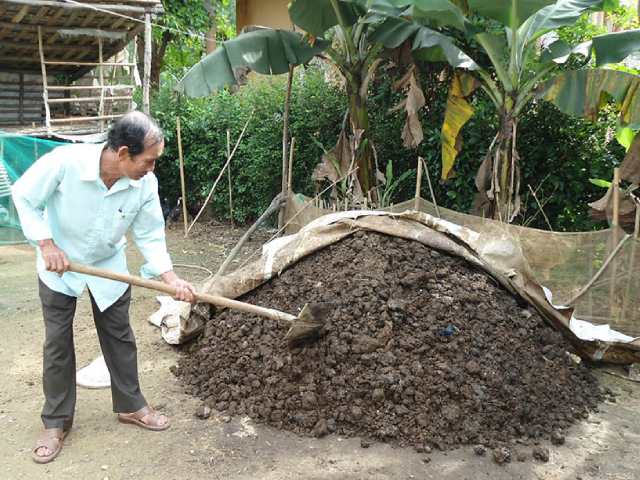
Implementing bio-waste composting study
- Choose incubation location: Choose a place with sunlight, cool air and easy drainage. A compost bin or compost pit should be used.
- Layering of ingredients: Arrange ingredients in layers, organic waste layer, filler layer, sprinkle with probiotics to compost trash and add water to create incubation humidity of 50 – 55%. The thickness of the trash layer is about 15-20 cm.
- Stirring: After about a week, you need to stir the mixture to provide more oxygen for the decomposition process.
- Monitor humidity: Check humidity periodically. If it’s too dry, add water or if it’s too wet, add dry filler.
Step 3: Complete the incubation process
The incubation process usually takes from 2 to 6 months, depending on the temperature and type of material. Below are signs that incubation is complete:
- The mixture has an earthy scent: A successfully composted mixture will have a pleasant, earthy aroma.
- Mixture volume reduction: After incubation, you will see the mixture decrease significantly in volume.
- Dark brown: The finished stool will be dark brown and loose.
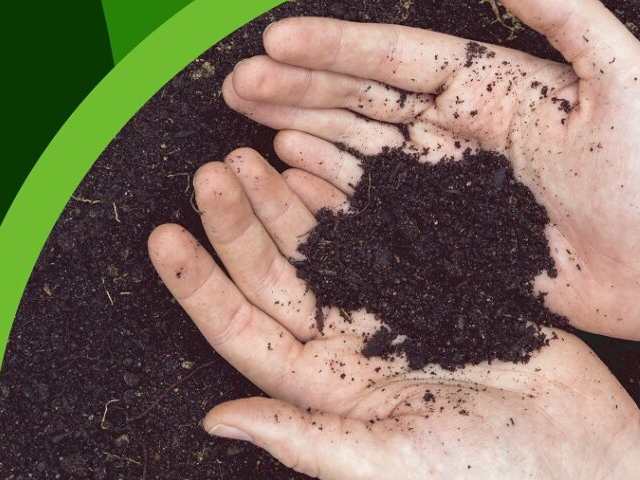
Mixture If the color is dark brown, the composting process is complete.
5. Reasons to use microbial products in the process of composting biological waste
Bio-waste composting has many outstanding advantages, so it is increasingly widely applied. During the incubation process, experts advise people to use probiotics because:
- Probiotic products contain a diverse range of microorganisms that are 5 to 10 times more active than conventional microorganisms. Thanks to that, the incubation time will be shortened.
- Minimize odors arising during the composting process, reduce the concentration of pollution in water leaching from the compost pile… overcome the disadvantages of effective biological waste composting methods
- The product can be applied to all organic composting methods, suitable for many different types of waste.
- Increases the quality of organic fertilizer and reduces pathogens in the fertilizer by ensuring the ideal composting temperature throughout the process.
>
>
The biocomposting method is a great solution to help you quickly process organic waste without harming the environment. If you have any concerns that need advice from biological experts, you can connect with Duc Binh Microbial Products at the address below:
Contact information
>
Address : 1B Alley 774 Kim Giang, Thanh Liet, Hanoi
Phone number: 0934.214.579
Email: chephamvisinhungdung@gmail.com
Website: https://chephamvisinh.vn


